Arabian Fairs: A Versatile Arabic Font for Modern Design
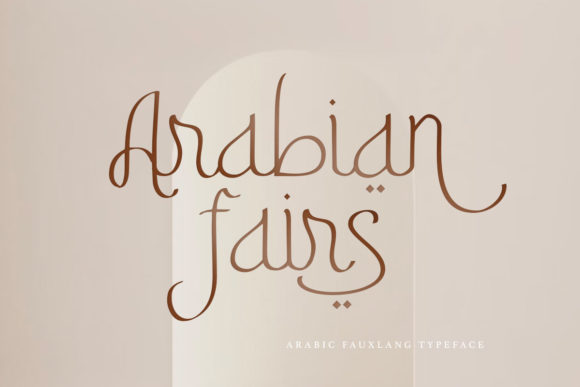
When it comes to design, especially in regions where the Arabic language plays a central role, typography is more than just an aesthetic choice—it's a cultural statement. Arabian Fairs is one such font that bridges tradition with contemporary style. It’s a light and minimal Fauxlang Arabic font, designed with authenticity and readability in mind. Whether you're working on branding, logos, or special occasion designs like wedding invitations, this font can elevate your project while staying true to its roots.
Understanding Arabian Fairs
Arabian Fairs isn't just another Arabic font; it's a carefully crafted typeface that captures the elegance of the Arabic script without sacrificing clarity. The name itself hints at the font’s purpose—bringing the charm and grace of Arab culture into various visual projects. Inspired by the fluid curves and structured forms of traditional Arabic calligraphy, it offers a modern twist that works well across digital and print media.
This font has been optimized for both Arabic and Latin scripts, making it ideal for bilingual content. Its minimalist approach ensures that it doesn’t overwhelm the viewer, which is essential for anything from web banners to printed brochures.
Real-World Use Cases
Designers often face the challenge of creating something visually appealing yet functional. Arabian Fairs steps in as a solution that serves both purposes. Let’s look at some real-world scenarios where this font shines:
- Branding Projects: Businesses targeting Middle Eastern or North African audiences can use this font to build a strong, culturally resonant brand identity. From logo headlines to taglines, Arabian Fairs adds a touch of sophistication that feels local yet global.
- Event Invitations: Think weddings, conferences, or product launches. This font gives event invites a unique, handcrafted feel that stands out in today’s cookie-cutter design world. The soft curves and balanced spacing make it perfect for elegant, high-end events.
- Digital Marketing Materials: Social media posts, website headers, and email campaigns benefit greatly from readable yet stylish fonts. With Arabian Fairs, you get a clean, professional look that still carries the essence of Arabic culture.
- Seasonal and Religious Designs: During Ramadan or other Islamic holidays, using an authentic Arabic font can make your messages more meaningful. Whether it’s a greeting card, a promotional banner, or a mosque announcement, Arabian Fairs helps you connect better with your audience.
Who Benefits from Arabian Fairs?
The beauty of Arabian Fairs lies in its adaptability. Different users can find value in different ways:
- Graphic Designers: For those looking to add a regional flair to their work, this font provides an easy way to do so without compromising legibility. It’s especially useful when clients request something “more Arabian” but don’t want overly ornate or hard-to-read styles.
- Web Developers: Incorporating Arabic text on websites can be tricky due to varying browser support and rendering issues. Arabian Fairs is built to handle these challenges gracefully, ensuring consistent display across devices and platforms.
- Business Owners: If you’re launching a business in the Gulf or catering to Arabic-speaking customers, choosing the right font can help establish trust and familiarity. Arabian Fairs makes your brand feel respectful of the culture while remaining accessible to all.
- Print Shops and Stationery Makers: Wedding invitations, certificates, and religious cards are common products that require both beauty and functionality. This font allows designers to create stunning visuals that won’t confuse the reader.
Industries That Can Leverage Arabian Fairs
While the font is rooted in Arabic aesthetics, its usability spans multiple industries. Here are a few examples:
- Retail & E-commerce: Product packaging, store signage, and online ads for stores operating in the Arab world or selling to Arabic-speaking consumers can gain a significant advantage with this font.
- Education: Institutions offering Arabic courses or Islamic studies can use Arabian Fairs in course materials, posters, and presentations to maintain cultural relevance and visual appeal.
- Entertainment & Media: Movie posters, music albums, and book covers featuring Arabic titles become more attractive and engaging with the right typography. Arabian Fairs ensures they remain clear and easy to read.
- Nonprofits & NGOs: Organizations working with Muslim communities or promoting cultural awareness might find this font invaluable for flyers, reports, and outreach materials.
Choosing the Right Font for Your Project
Before settling on any font, including Arabian Fairs, there are a few key factors to consider:
- Readability: No matter how beautiful a font is, if it’s not easy to read, it won’t serve its purpose. Arabian Fairs is designed with clarity in mind, even in smaller sizes.
- Legality and Licensing: Make sure the font you choose is appropriate for your intended use. Arabian Fairs is suitable for most commercial and personal projects, but always double-check the licensing details provided by the source.
- Compatibility: Test the font across different software and platforms before finalizing a design. While it generally performs well, compatibility can vary depending on the system or application being used.
- Color and Contrast: Because it’s a light font, pay attention to how it looks against your chosen background. Darker colors or textured backgrounds may affect visibility.
Strengths and Limitations
Every font has its pros and cons, and understanding them can help you decide whether Arabian Fairs is the best fit for your needs.
Strengths:
- Minimalist yet culturally rich design
- Highly legible in both small and large formats
- Bilingual support (Arabic and Latin scripts)
- Perfect for branding and seasonal themes
Potential Limitations:
- May not suit highly decorative or formal calligraphy-style projects
- Some users might prefer a bolder weight for certain applications
- Limited character set in some versions (check for extended glyphs if needed)
Practical Tips for Using Arabian Fairs
To get the most out of this font, here are a few tips based on real-world experience:
- Pair it with a solid sans-serif font: To maintain contrast and balance in bilingual layouts, pair Arabian Fairs with a clean Latin font like Montserrat or Open Sans.
- Use sparingly in body text: Though readable, it’s best suited for headings and short texts rather than long paragraphs.
- Test on mobile devices: Ensure that the font renders well on smartphones, particularly in Arabic-speaking countries where mobile usage is dominant.
- Consider the context: If you're designing for a religious or traditional event, ensure the tone of the font matches the seriousness of the occasion.
Where to Find Arabian Fairs
If you're interested in using Arabian Fairs, you can usually find it through font marketplaces like Adobe Fonts, Google Fonts, or specialized Arabic font providers. Always verify the licensing terms before downloading, especially for commercial use.
You might also come across it in design templates or pre-made assets on sites like Canva or Creative Market. These platforms often include ready-to-use designs that feature this font, allowing you to focus on customization instead of starting from scratch.
Why Designers Love Arabian Fairs
Many professionals have adopted Arabian Fairs for its blend of simplicity and cultural depth. In interviews and online forums, designers frequently mention how it helps them stand out in competitive markets. One designer noted, “It brings the warmth of Arabic calligraphy without making my clients’ names hard to read.”
Another point often highlighted is how it supports multilingual branding. For companies that need to communicate in both Arabic and English, finding a font that complements both languages is rare—but Arabian Fairs does it effortlessly.
Common Mistakes to Avoid
Even with a great font like Arabian Fairs, misuse can lead to poor results. Here are a few things to watch out for:
- Using it in all caps or oversized letters, which can disrupt its natural flow
- Overloading the design with too many decorative elements, making the font lose its subtle elegance
- Ignoring the importance of proper alignment and spacing in Arabic script, which can affect legibility
By keeping these points in mind, you’ll avoid pitfalls and ensure your design remains both effective and aesthetically pleasing.
Final Thoughts on Implementation
Incorporating Arabian Fairs into your next project could be the difference between a generic design and one that truly connects with its audience. Whether you're aiming for a fresh new brand identity or a heartfelt Ramadan message, this font offers the right balance of form and function.
Remember, the goal is not just to look good but to communicate clearly. Arabian Fairs supports that mission by combining cultural authenticity with modern usability. So the next time you’re working on an Arabic-themed design, consider giving this font a try—you might just find it’s the perfect match for your vision.