Hello Sweet: A Playful Font for Expressive Design
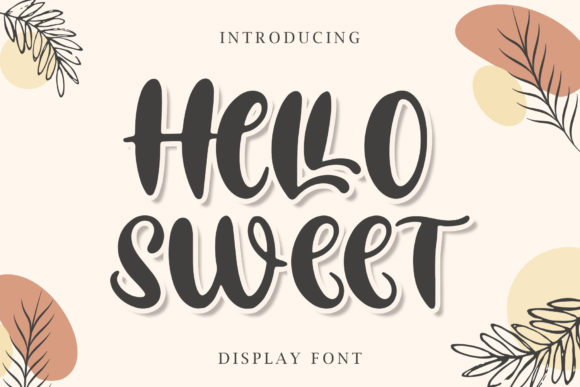
Hello Sweet is a display font that stands out with its whimsical and cheerful aesthetic. Designed to add a jolly, confident, and authentic touch to any visual message, it’s particularly well-suited for creative projects where personality matters. The font blends bold shapes with soft curves, creating an approachable yet eye-catching appearance. Its playful nature makes it ideal for use in cartoons, games, magazine covers, and other media that benefit from a lighthearted vibe.
Why People Choose Hello Sweet
Designers and creatives often look for fonts that can convey emotion and tone effectively. Hello Sweet offers a unique combination of charm and clarity, which appeals to those working on branding, editorial design, or entertainment-related content. It adds warmth and friendliness to text without being overly childish or unprofessional. For individuals who want their designs to feel inviting yet stylish, this font provides a versatile option.
Another reason people might choose Hello Sweet is its adaptability across different platforms and mediums. Whether you're designing for print or digital formats, the font maintains its visual appeal. Its bold strokes and rounded edges ensure legibility even at smaller sizes, while larger displays showcase its full expressive potential.
Key Benefits of Hello Sweet
- Expressive Style: The font's design brings a sense of joy and energy to any project, making it stand out in a sea of more traditional typefaces.
- Versatility: Despite its playful nature, Hello Sweet works well in a range of applications—from game titles to social media graphics—without feeling out of place.
- Strong Visual Impact: The font commands attention, making it a good choice for headlines, banners, and other focal points in a design layout.
- Easy Integration: As a display font, Hello Sweet typically comes with a wide range of character sets and styles, allowing for seamless incorporation into various design tools like Adobe Photoshop, Illustrator, or Canva.
Potential Tradeoffs and Considerations
While Hello Sweet has many strengths, it’s important to consider how well it fits your specific needs. Display fonts are generally not recommended for long-form text due to readability concerns. Hello Sweet is no exception. Its stylized characters may make it less suitable for body copy or formal documents where clean, professional typography is essential.
Additionally, the font's informal and fun characteristics may clash with certain brand identities. If your project requires a serious, minimalist, or elegant tone, Hello Sweet could be distracting rather than complementary. Always evaluate whether the font aligns with your audience’s expectations and the overall mood of your work.
Technical Limitations
Some versions of Hello Sweet may lack support for special languages or symbols outside the standard Latin alphabet. Before committing to using the font in multilingual or highly specialized contexts, check the available character sets and licensing restrictions. Also, be aware that the font may not render consistently across all devices and browsers if not properly optimized or embedded.
Situations Where Hello Sweet Excels
Hello Sweet shines in scenarios where creativity and emotional expression are key. Here are some common use cases where it can be a strong fit:
- Cartoons and Children's Media: The font’s friendly and engaging style works well in animations, comics, and educational content aimed at younger audiences.
- Magazine Covers and Editorial Design: When used as a headline or title, Hello Sweet can help create a memorable first impression while maintaining a sense of authenticity.
- Game Titles and Promotional Materials: Video games, board games, or promotional posters for events often benefit from a fun and vibrant font like Hello Sweet.
- Merchandise and Branding: Products such as t-shirts, mugs, or branded materials for casual brands can use Hello Sweet to reinforce a joyful, personable image.
When to Consider Alternatives
Although Hello Sweet is a great choice for many projects, there are instances where it may not be the best fit. For example:
- Professional or Corporate Contexts: In business reports, legal documents, or formal presentations, a more subdued and structured font is usually preferable.
- Long-Form Text: Because of its decorative nature, Hello Sweet isn’t ideal for paragraphs or extended reading material. Opt for a sans-serif or serif font with better readability in these cases.
- Cultural or Language-Specific Projects: If your design involves non-Latin scripts or specific cultural symbols, verify that Hello Sweet supports them before proceeding.
For users looking for similar but more readable options, exploring alternatives such as Quicksand, Nunito, or Poppins could be beneficial. These fonts offer a modern and friendly tone while remaining suitable for longer texts. Alternatively, if you prefer a slightly more playful but still functional font, consider Montserrat or Raleway with their bold variations.
Practical Tips for Using Hello Sweet
To get the most out of Hello Sweet, consider the following best practices:
- Use it Sparingly: Reserve Hello Sweet for headlines, logos, or short phrases where its impact will be most noticeable and effective.
- Pair with Complementary Fonts: Combine Hello Sweet with a clean, neutral font for body text to maintain balance and readability in your layout.
- Test Across Platforms: Ensure the font looks consistent on different screens and devices, especially when used online or in digital marketing materials.
- Check Licensing: Confirm that the font license allows for commercial use if you plan to deploy it in paid projects or products.
By thoughtfully integrating Hello Sweet into your design workflow, you can enhance the visual appeal of your work while staying true to your project’s goals and messaging.
Final Thoughts on Hello Sweet
Hello Sweet is a display font that adds a touch of charm and confidence to creative projects. Its versatility and expressive style make it a popular choice among designers who need to communicate a fun, friendly, or engaging tone. However, it's not a one-size-fits-all solution. Understanding when and how to use it effectively is crucial for achieving the right balance between aesthetics and functionality.
If your project benefits from a lively and approachable typographic presence, Hello Sweet could be an excellent addition to your toolkit. But always weigh its stylistic qualities against the practical demands of your design to ensure it enhances rather than hinders your communication.