Lemonlime: The Friendly Font That Elevates Creative Design
In the world of typography, where every character plays a role in communication and aesthetics, Lemonlime stands out as a unique and approachable display font. Known for its natural feel and warm personality, Lemonlime is gaining popularity among designers, marketers, and content creators who want to infuse their work with a sense of friendliness and visual appeal. Whether you're designing a quote graphic, crafting product packaging, or creating a social media post, this font adds a refreshing touch that resonates with modern audiences.
What Makes Lemonlime Unique?
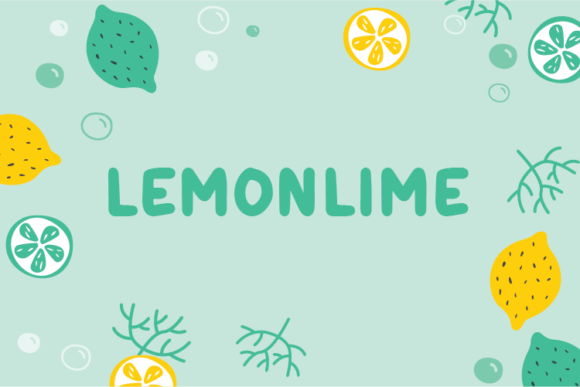
Lemonlime combines the best elements of handwritten and stylized typefaces to create something truly special. Its organic curves and subtle imperfections give it a human-like quality, while the clean structure ensures legibility and adaptability across various platforms. This balance makes Lemonlime ideal for both digital and print media, from Instagram captions to T-shirt designs.
Unlike many rigid sans-serif fonts or overly ornate scripts, Lemonlime feels effortless yet intentional. It conveys warmth without being too casual, making it suitable for a wide range of creative uses—from personal notes to professional branding materials. This duality is what sets Lemonlime apart and explains why it’s becoming a go-to choice for those who want their message to feel genuine and inviting.
The Role of Display Fonts in Modern Design
Display fonts like Lemonlime are more than just decorative—they serve as emotional tools. In today’s fast-paced digital environment, users are constantly bombarded with information. A well-chosen font can cut through the noise and make a design memorable. Lemonlime, with its friendly demeanor, helps establish an immediate connection between the viewer and the message.
Modern workflows demand versatility. Creators need fonts that look great on mobile screens, desktops, and printed merchandise alike. Lemonlime meets these demands by maintaining clarity at different sizes and adapting well to both bold and soft color palettes. It's especially effective in minimalist design schemes where the font itself becomes a focal point.
Why Friendly Typography Matters
People are increasingly drawn to brands and content that feel authentic. Friendly fonts like Lemonlime help achieve this by evoking a sense of approachability and trust. They’re often used in lifestyle brands, wellness products, and educational content where the tone needs to be welcoming and easygoing.
Consider how a motivational quote appears on your screen. If it’s set in a harsh, uninviting font, it may not inspire the same emotion as one presented in Lemonlime. The latter feels like it was written with care, enhancing the overall message and user experience.
Trends Shaping the Popularity of Lemonlime
The rise of Lemonlime aligns with several current trends in design and communication:
- Human-Centric Design: As users seek more personalized and emotionally intelligent experiences, fonts that mimic handwriting or have a natural feel are becoming preferred choices.
- Minimalism Meets Warmth: Clean layouts are everywhere, but they’re often paired with expressive typography to add depth and character. Lemonlime fits perfectly into this trend, offering simplicity with a soulful twist.
- Visual Storytelling: Content creators and marketers are focusing more on visuals that tell a story. With Lemonlime, they can craft compelling narratives using text alone, thanks to its expressive style.
How Lemonlime Fits Into Lifestyle and Branding Shifts
As consumers become more conscious of the brands they support, there's a growing emphasis on authenticity and transparency. Lemonlime supports this shift by helping brands communicate with a voice that feels real. For example, a small business selling handmade journals might use Lemonlime in their logo and packaging to emphasize craftsmanship and sincerity.
Similarly, educators and bloggers who rely on engaging visual content often turn to Lemonlime for headers and pull quotes. Its readability and charm make it a perfect match for content that aims to inform while also delighting the reader. In this way, Lemonlime bridges the gap between form and function—offering beauty without sacrificing usability.
Practical Applications of Lemonlime
Lemonlime is incredibly versatile and finds its place in numerous design scenarios. Here are some realistic examples of how it can be used effectively:
- Quotes and Social Media Graphics: When sharing inspirational messages or call-to-action statements, Lemonlime gives the text a personal and heartfelt touch. It works especially well on platforms like Pinterest and Instagram, where visual appeal is key.
- Product Packaging and Merchandise: From eco-friendly notebooks to branded T-shirts, Lemonlime adds a layer of creativity and warmth. It complements nature-themed or lifestyle-oriented products beautifully.
- Web and App UI Elements: While it’s primarily a display font, Lemonlime can be used sparingly in web design for headings, buttons, or promotional banners where a more expressive look is desired.
- Stationery and Notebooks: For entrepreneurs or creatives who love stationery, Lemonlime brings a handcrafted feel to bullet journals, planners, and greeting cards.
Designing with Lemonlime: Tips and Best Practices
To get the most out of Lemonlime, consider these practical tips:
- Pair with complementary fonts: Use Lemonlime alongside a simple sans-serif or serif font to maintain hierarchy and contrast. This ensures your design remains balanced and readable.
- Use appropriate spacing: Because of its organic nature, Lemonlime benefits from generous letter and line spacing, especially in larger formats.
- Experiment with colors: The font looks stunning in muted tones like sage green or soft yellow, which enhance its "natural" vibe. But don’t shy away from bolder combinations if your brand allows.
- Limit usage: To avoid overwhelming the viewer, use Lemonlime for accents or short phrases rather than large blocks of text.
Evolution of Handwritten and Display Fonts
Handwritten and display fonts have evolved significantly over the past decade. Initially seen as niche, they’ve now become essential tools in modern design arsenals. The shift is partly due to changing consumer expectations—people no longer want cold, corporate visuals; they crave warmth and individuality.
This evolution has led to a broader acceptance of fonts like Lemonlime, which offer a blend of professionalism and personality. Designers are leveraging these fonts to differentiate their work and connect more deeply with audiences. As technology improves and accessibility increases, we’re likely to see even more innovative uses of such fonts in upcoming projects.
Why Now Is the Time for Lemonlime
With remote work and digital-first interactions dominating our lives, the need for fonts that evoke connection and empathy has never been greater. Lemonlime taps into this need by bringing a tactile, almost nostalgic feel to digital spaces. It’s a reminder that behind every pixel lies a human intent.
Moreover, as businesses and individuals embrace more flexible and inclusive brand identities, Lemonlime offers a way to express that identity visually. Its friendly appearance can soften the tone of otherwise formal content, making it ideal for startups, influencers, and independent creators looking to stand out in a crowded market.
Real-World Observations and Recommendations
Many successful designers and brands have already incorporated Lemonlime into their work. One common observation is that it performs exceptionally well when used in combination with high-quality imagery and whitespace. This pairing highlights the font’s elegance and ensures it doesn’t compete with other visual elements.
For beginners, it’s recommended to start with small-scale projects like quote cards or blog headers before moving to more complex applications like app interfaces or product packaging. This allows you to understand the font’s strengths and limitations within your workflow.
Another recommendation is to explore variations of Lemonlime if available. Some versions may include ligatures or alternate characters that enhance the font’s expressive qualities. These details can make a big difference in the final output, especially for premium or bespoke designs.
Tools and Platforms to Use Lemonlime Effectively
There are several platforms and tools that integrate seamlessly with Lemonlime, enabling creators to bring their ideas to life efficiently:
- Adobe Creative Suite: Ideal for advanced editing and customization. You can tweak spacing, size, and effects to fit specific design goals.
- Canva: Perfect for quick graphics. Canva’s intuitive interface allows users to apply Lemonlime to templates with ease.
- Figma: Great for collaborative design projects. Lemonlime can be added as a custom font and shared across teams for consistent branding.
- Shopify and Squarespace: Both platforms allow Lemonlime to be integrated into websites for a cohesive and stylish look.
Using Lemonlime across these platforms ensures consistency and enhances the overall aesthetic of your digital presence. Just remember to always test how the font appears on different devices and screen resolutions to guarantee optimal visibility.
Final Thoughts on Lemonlime
Lemonlime isn't just another display font—it’s a thoughtful choice for anyone looking to add a touch of personality and warmth to their designs. Its natural and friendly characteristics make it uniquely suited for a variety of creative endeavors, from branding to everyday note-taking. As design continues to prioritize human connection and emotional resonance, Lemonlime is positioned to remain a valuable asset in the toolkit of modern creators.
If you haven’t tried Lemonlime yet, now is a great time to explore its potential. Start with a few small projects, experiment with different pairings and contexts, and discover how this font can elevate your work. In a world where attention spans are short and competition is fierce, choosing the right font can be the difference between being overlooked and being remembered.