What Makes Frogie Font a Playful and Bold Choice for Designers
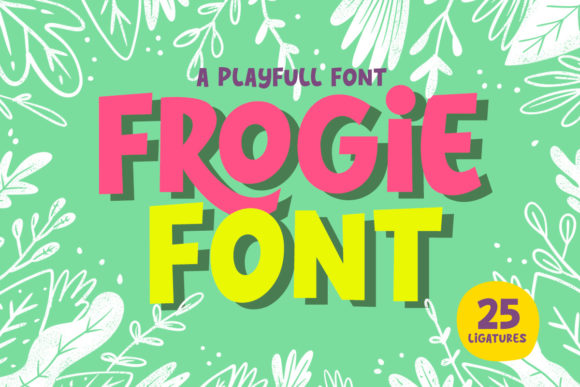
Frogie is a modern, hand-drawn typeface that combines whimsy with boldness, making it an excellent choice for designers who want to inject energy into their visual projects. Its unique blend of rounded edges, exaggerated strokes, and dynamic letterforms gives it a distinct personality compared to more traditional or minimalist fonts. Created with a focus on readability and charm, Frogie stands out in both digital and print formats, especially where playfulness is key.
The Characteristics That Define Frogie Font
Frogie’s design is rooted in a casual, almost cartoonish style, which makes it feel approachable and fun. The font features open counters and generous spacing, allowing it to remain legible even at smaller sizes. At the same time, its thick, expressive lines add a sense of confidence and impact. This duality—playful yet bold—makes it versatile across different applications.
- Handwritten Feel: Each character has subtle imperfections that mimic human handwriting, adding warmth and authenticity.
- High Contrast: The difference between thick and thin strokes enhances visual interest without compromising clarity.
- Open Structure: Letters are designed with openness in mind, which helps prevent them from feeling cramped in tight layouts.
Why Frogie Stands Out Among Other Fonts
While there are many playful fonts available, Frogie distinguishes itself by balancing fun with professionalism. For example, when compared to other informal fonts like Comic Sans or Chalkboard, Frogie offers a more refined aesthetic while maintaining a lighthearted tone. It avoids the overly childish look that some alternatives might have, instead leaning into a mature but still whimsical vibe.
On the other hand, when placed alongside bolder fonts such as Bebas Neue or Montserrat ExtraBold, Frogie holds its own with a unique flair. It doesn’t sacrifice character for strength; rather, it uses its boldness to command attention while keeping its playful essence intact. This makes it particularly effective for branding and marketing materials that aim to be both eye-catching and engaging.
Best Use Cases for Frogie Font
Frogie works exceptionally well in scenarios where you need to convey creativity and joy without losing visual impact. Here are some realistic use cases where this font can shine:
- Book Headers: The font adds a lively touch to book titles, especially in children's literature or creative writing guides.
- Logo Design: Brands targeting younger audiences or those in entertainment, education, or lifestyle niches can benefit from Frogie’s bold presence and friendly appearance.
- Greeting Cards: Whether for birthdays, holidays, or thank-you notes, Frogie brings a sense of delight to the message.
- Stickers and Merchandise: Its clear outlines and vibrant shape make it ideal for designs that will appear on physical products.
- Social Media Posts (e.g., Instagram): Frogie’s eye-catching style ensures your content stands out in crowded feeds.
- Quotes and Inspirational Texts: The font’s expressive nature complements motivational messages and quotes effectively.
- Kids’ Products and Branding: From educational materials to toys, Frogie’s playful feel resonates with young audiences.
- YouTube Titles and Thumbnails: With its strong visual appeal, Frogie can help attract clicks and engagement on video platforms.
When Frogie Might Not Be the Best Fit
Despite its versatility, Frogie isn’t suitable for every project. Because of its stylized nature, it may not work well in long-form body text or formal documents where clarity and neutrality are essential. For instance, using Frogie in a legal contract or academic paper would likely distract from the intended tone and professionalism.
Additionally, if the goal is to maintain a clean, minimalist design language, Frogie could clash with the overall aesthetic. In such cases, a simpler sans-serif or serif font might be more appropriate. However, in environments where the brand voice is energetic, humorous, or creative, Frogie can serve as a powerful stylistic tool.
Strengths and Tradeoffs of Using Frogie
One of the primary strengths of Frogie is its ability to communicate personality quickly. It’s easy to pair with bright colors and illustrated elements, making it a favorite among designers working on branding or packaging for kids' products. Another benefit is its adaptability—it looks good in both uppercase and lowercase settings, and it supports a wide range of characters for international use.
However, there are tradeoffs to consider. The font’s decorative nature means it requires careful pairing with other design elements to avoid overwhelming the layout. It also performs best in short bursts of text rather than lengthy paragraphs. If your project needs a high degree of formality or precision, Frogie may not be the optimal choice.
Comparing Frogie to Similar Typefaces
When exploring alternatives to Frogie, it’s helpful to consider how similar fonts measure up in terms of use case suitability and style.
- Quicksand: A more neutral, rounded sans-serif that excels in user interfaces and body text. While Quicksand is highly readable, it lacks the bold character of Frogie.
- Bangers: Another bold, playful font with a blocky structure. Bangers is great for headlines but can feel less organic due to its rigid construction.
- Nunito: Offers a soft, handwritten look but tends to be more subdued than Frogie. Nunito is better suited for web content and UI design.
- Great Vibes: Provides a script-style elegance that is popular in wedding invitations and luxury branding. It contrasts sharply with Frogie’s more direct and bold approach.
Each of these fonts has its place, but Frogie bridges the gap between boldness and playfulness in a way that few others do. It’s particularly valuable when you want something that feels handmade and expressive but still maintains a level of polish and clarity.
How to Use Frogie Effectively in Your Projects
To get the most out of Frogie, it’s important to understand how to integrate it into your designs without letting it overpower other elements. Here are some practical tips:
- Limit Usage: Use Frogie sparingly for headings, logos, or call-to-action buttons to maintain balance in your layout.
- Pair Thoughtfully: Combine it with a more neutral font for body text to ensure readability while still highlighting key messages.
- Experiment with Color: Frogie’s boldness pairs well with bright hues or contrasting shades, helping it pop visually.
- Use in Short Sentences: Its character-driven style works best for short phrases rather than large blocks of text.
Real-World Examples of Frogie in Action
Imagine a greeting card company looking to stand out in a saturated market. By incorporating Frogie into their product designs, they can create a signature look that’s both inviting and memorable. Similarly, a YouTube channel focused on kid-friendly DIY tutorials could use Frogie for titles to immediately grab attention and set the right tone.
In logo design, Frogie can be used to craft a brand identity that feels approachable and joyful. For example, a new line of children’s books might feature Frogie in the title to evoke curiosity and excitement. In contrast, a tech startup aiming for a sleek and professional image might find Frogie too informal and opt for a more streamlined option instead.
Deciding When Frogie Is Right for You
Choosing the right font involves understanding your audience, your message, and the context of your design. If you're creating something for a younger demographic, want to emphasize creativity, or need a bold yet friendly typeface, Frogie is a strong contender. It’s especially useful in branding, social media, and promotional materials where first impressions matter.
Conversely, if your project requires subtlety, minimalism, or extended readability, you may need to explore other options. The decision ultimately depends on your goals and the emotional tone you wish to convey. Frogie is best used in situations where you want to spark joy, capture attention, or reflect a carefree and imaginative spirit.
Alternatives to Consider
While Frogie is a standout font in its category, there are times when other choices may be more suitable. Here are a few fonts worth considering depending on your specific needs:
- Roboto: A clean, geometric sans-serif ideal for modern websites and apps.
- Roboto Slab: Offers a slightly heavier, more structured feel while retaining a friendly edge.
- Ubuntu: Designed for digital screens, Ubuntu provides excellent legibility and a balanced look.
- Rounded MT Bold: A classic choice for iOS app icons and playful branding, though it lacks the organic variation of Frogie.
These fonts provide different moods and functionalities. The key is to choose one that aligns with your design intent and audience expectations.
Final Thoughts on Choosing Frogie
Frogie is a font that thrives in environments where playfulness and boldness are part of the brand’s identity. It’s not just about aesthetics—it’s about conveying a message through typography. Whether you’re designing a logo, crafting a social media post, or creating a book cover, Frogie can bring a fresh perspective that engages viewers and reflects a vibrant personality.
Still, no single font fits all scenarios. By evaluating your project’s requirements and experimenting with different styles, you can determine whether Frogie is the right fit. Its unique combination of charm and strength makes it a compelling choice for those who want to stand out without shouting.
If you're currently comparing fonts or exploring creative resources, Frogie is definitely worth a closer look. Let it inspire your next playful design, and don’t hesitate to try it out in real-world contexts to see how it performs for your specific needs.