Why Stucend is a Game-Changer for Sports Branding and Apparel Design
In the world of sports branding, apparel design, and promotional content, typography plays a crucial role in shaping visual identity. The right font can elevate a team’s logo, enhance jersey readability, or make a large headline pop on merchandise or digital platforms. Enter Stucend, a font specifically crafted with the needs of sports designers in mind. Whether you're creating marketing materials, designing jerseys, or developing promotional assets, Stucend offers a compelling blend of style, functionality, and adaptability.
What Is Stucend?
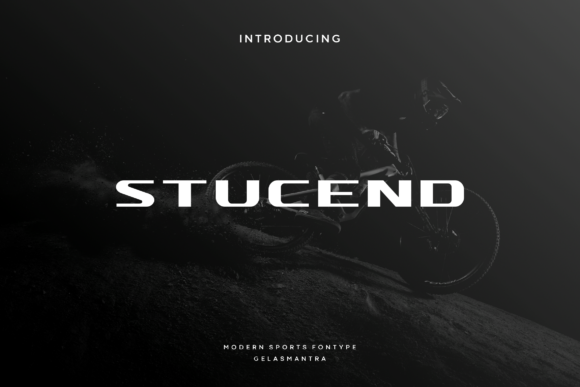
Stucend is a modern, dynamic typeface designed to meet the unique demands of the sports industry. Unlike generic fonts that may lack the boldness or clarity required for athletic branding, Stucend was developed through collaboration between typographers and sports design professionals. This ensures it aligns with the aesthetic and technical expectations of real-world applications like jerseys, banners, posters, and more.
The name “Stucend” itself hints at its purpose — a fusion of strength and vision, two essential qualities in sports design. Its clean lines, strong character forms, and optimized spacing are all tailored to stand out under various conditions, from stadium lighting to screen displays. These features make it particularly well-suited for environments where visibility and impact are paramount.
Distinctive Features of Stucend
- Jersey-Ready Design: Stucend is built with jersey placement in mind, meaning characters are structured to maintain legibility and visual appeal even when printed on curved surfaces or seen from a distance.
- Versatile Style: It balances sporty energy with professional polish, making it adaptable across different sports and brand identities — from high-intensity football to sleek basketball aesthetics.
- Large Headline Optimization: With thick strokes and open counters, Stucend shines in big formats. It ensures your message is both readable and impactful, whether on billboards, social media, or event signage.
- Apparel Integration: The font works well in embroidered, screen-printed, or digitally printed formats, ensuring consistency across all types of sports gear and promotional items.
How Stucend Compares to Other Sports Fonts
Many sports-related typefaces focus primarily on boldness and aggressiveness, often at the expense of versatility and readability. While these traits are important, especially in high-energy environments, they aren’t always sufficient. Stucend stands out by offering a balanced approach that considers not just how a font looks, but also how it functions across multiple mediums and sizes.
Traditional sports fonts tend to be monochromatic and limited in weight variations. Stucend, on the other hand, comes with a range of weights and styles that allow for greater creative flexibility. For instance, you might use the lighter version for a minimalist logo and the heavier variant for a championship banner — all while maintaining a cohesive brand identity.
Another key difference lies in its application beyond just logos and headlines. Many fonts struggle when used on textiles due to poor stroke contrast or overly intricate details that don’t translate well to embroidery or screen printing. Stucend avoids these pitfalls by simplifying form without sacrificing personality, making it a top choice for sports apparel and fan gear.
When to Choose Stucend Over Generic Alternatives
If you're working on a project that requires a font with a strong sports presence, Stucend is worth considering. Here are some scenarios where it excels:
- Team Jerseys: Because Stucend is engineered for jersey placement, it ensures names and numbers remain clear and consistent, even when viewed from afar or under harsh lighting.
- Promotional Materials: From posters to digital ads, the font maintains clarity and impact across different formats and resolutions.
- Merchandise Branding: Whether you’re printing on t-shirts, hoodies, or performance wear, Stucend adapts well to various fabric types and printing methods.
- Event Signage: Large-scale banners, scoreboards, and venue graphics benefit from the font’s ability to hold up visually at a distance.
Compared to standard sans-serif fonts, Stucend provides a more specialized look that resonates with sports culture. It doesn’t rely on overused aggressive styles; instead, it delivers a refined yet powerful presence that can work across many disciplines within the sports design space.
Strengths and Tradeoffs of Using Stucend
Like any font, Stucend has its strengths and limitations. Understanding these can help you decide if it's the best fit for your next project.
Strengths of Stucend
- Consistency Across Mediums: Designed with multi-platform usage in mind, Stucend retains its integrity whether applied to print, digital screens, or physical products.
- Readability Under Pressure: Its structure allows for excellent legibility in motion, which is vital for live broadcasts or fast-paced game footage.
- Brand Cohesion: By using Stucend across all touchpoints — from uniforms to marketing collateral — you create a unified brand image that fans and stakeholders recognize instantly.
- Modern Aesthetic: The font blends contemporary design elements with the robust feel expected in sports, avoiding outdated styles that might not resonate with today’s audiences.
Tradeoffs and Limitations
- Not Ideal for Fine Print: Stucend’s bold character design makes it less suitable for small text, such as body copy in reports or detailed instructions. It thrives in larger formats rather than intricate layouts.
- Limited Script Options: If your design requires cursive or handwritten elements, Stucend won’t provide those. However, this is intentional, as it focuses on the core needs of sports typography.
- Specialized Niche: While its versatility is impressive within the sports context, Stucend may not be the best choice for general-purpose design outside of athletics or related industries.
Realistic Use Cases and Practical Comparisons
To better understand where Stucend fits in, let’s explore some practical examples and compare it with other common approaches in sports design.
Example 1: Team Uniforms
Imagine a collegiate basketball team rebranding their jerseys. They need a font that’s bold enough to catch attention but subtle enough to reflect school pride and professionalism. Traditional options might include fonts like Arial Bold or Impact, but these often come with issues like inconsistent stroke width or poor scalability.
With Stucend, the team could ensure that player names and numbers are clearly visible on the court and from the stands. Its optimized structure means no awkward letterforms or hard-to-read characters, giving athletes and fans a polished look that enhances the overall experience.
Example 2: Promotional Campaigns
A local soccer league launching a summer campaign needs eye-catching visuals. They consider using a classic serif font for a vintage feel but realize it doesn't suit the energetic tone of their branding. Instead, they opt for Stucend, which gives them a modern, confident look without losing the essence of athleticism.
This decision pays off — the font’s clean edges and strong presence work well on both print and digital banners, helping the league connect with a younger demographic while still maintaining a sense of authority and unity.
Example 3: Event Branding
For a major outdoor running event, organizers want a font that complements the theme of endurance and community. They experiment with several alternatives, including custom-designed fonts and popular sans-serifs. Stucend proves to be the most effective choice for signage, bibs, and T-shirt designs due to its ability to maintain clarity in motion and under sunlight.
Its adaptability reduces the need for multiple fonts, streamlining the design process and ensuring a consistent look throughout the event — something difficult to achieve with less-specialized options.
Decision Factors for Choosing Stucend
When evaluating whether Stucend is the right font for your project, consider the following factors:
- Target Audience: If your audience is engaged with sports, fitness, or active lifestyles, Stucend’s tailored design will likely resonate well.
- Application Context: Think about where and how the font will be used. If it's for jerseys, large signs, or promotional apparel, Stucend is an excellent candidate.
- Design Needs: Do you require a font that supports multiple weights and maintains legibility across formats? Stucend checks these boxes.
- Brand Identity: Does your brand lean toward bold, modern visuals with a strong connection to sports culture? Stucend can reinforce that identity effectively.
However, if your project involves fine-typed documents, academic papers, or highly artistic script styles, Stucend may not be the best option. In such cases, a more neutral or decorative font might serve your needs better.
Alternatives to Consider
While Stucend is a standout option in the sports design space, there are other fonts and approaches that may be suitable depending on your goals. Here are a few categories and examples to keep in mind:
- Classic Sports Fonts: These fonts emphasize boldness and aggression, such as Impact or Bebas Neue. They can work well for short-term promotions but may lack the subtlety needed for long-term brand identity.
- Custom Typefaces: Some organizations commission bespoke fonts to reflect their unique culture. While this offers maximum control, it can be time-consuming and expensive compared to using a ready-made solution like Stucend.
- Modern Sans-Serifs: Fonts like Montserrat or Roboto offer a clean, professional look but may not carry the same athletic edge as Stucend. They’re great for general use but fall short in niche sports contexts.
- Handwritten Styles: These add a personal touch but often sacrifice readability, especially in smaller sizes or on textiles. Stucend avoids this tradeoff by focusing on clarity and structure.
Each of these options brings something different to the table. The key is to match the font’s characteristics with the specific requirements of your project. Stucend excels when those requirements align with sports-centric branding, but it’s not a one-size-fits-all solution.
Best-Fit Situations for Stucend
Stucend is particularly well-suited for the following situations:
- Creating a Unified Visual Language: When you want to apply the same font across logos, jerseys, and promotional materials to build a cohesive brand identity.
- Designing for Visibility: When legibility from a distance or in motion is a priority, such as in stadium signage or televised events.
- Printing on Textiles: For projects involving embroidery, screen printing, or heat transfer on clothing, where clarity and simplicity are essential.
- Producing High-Impact Headlines: For large-format prints, digital banners, or social media posts where the font must capture attention quickly.
In each of these cases, Stucend offers a reliable and stylish alternative to generic fonts or overly complex typefaces. It bridges the gap between function and form, making it a smart choice for designers who value both aesthetics and usability.
Conclusion
Stucend is more than just another sports font — it’s a thoughtfully designed tool for professionals who need a versatile, readable, and visually striking typeface for branding and apparel. Its strengths lie in its specialization for the sports industry, where it meets the demands of jersey placement, large headlines, and promotional consistency. While it may not replace every font in your design toolkit, it’s a valuable addition when your project calls for a bold yet balanced typographic solution.
By understanding where Stucend excels and where it falls short, you can make a more informed decision about its use. Whether you're working on a new team identity or crafting promotional materials for a sporting event, Stucend is a font worth exploring — not because it pushes hype, but because it delivers results in the spaces that matter most to sports designers.