Amazing Stories: The Playful Font That Brings Joy to Every Project
Fonts are more than just letters on a page—they set the tone, evoke emotion, and help communicate your message in a way that visuals can’t always capture. When you need something that feels lighthearted, fun, and full of personality, Amazing Stories is a display font that stands out for all the right reasons. It’s not just cute; it’s quirky, expressive, and perfect for adding charm to any design that caters to kids or needs a touch of whimsy.
What Makes Amazing Stories Unique?
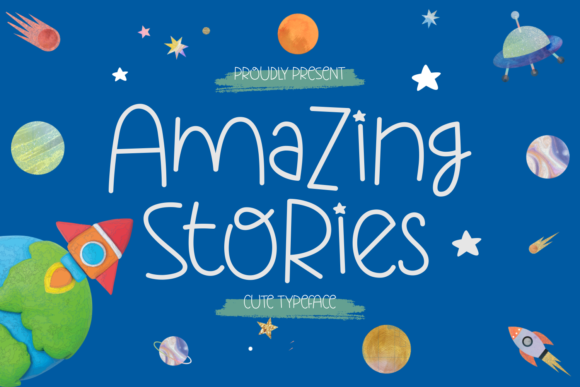
At first glance, Amazing Stories has a hand-drawn quality that makes it feel authentic and warm. The playful curves and exaggerated letterforms give it a storybook vibe without being too childish or over-the-top. This balance between cuteness and professionalism is what sets it apart from many other fonts in its category. It’s like the friendly voice of a teacher who knows how to keep things engaging—or a parent reading bedtime stories with enthusiasm.
The font’s quirkiness isn’t distracting but instead adds character to whatever it’s applied to. Whether you're designing a birthday card, creating a kid-friendly app interface, or brainstorming a new brand identity for an educational startup, this font brings a sense of joy and creativity to the table.
Why Display Fonts Matter in Design
Display fonts like Amazing Stories are specifically crafted for attention-grabbing use cases. They’re not ideal for long blocks of text, but they shine when used as headers, titles, or accents. Their bold and distinctive style helps create visual hierarchy and ensures your key messages stand out. In contrast to standard sans-serif or serif fonts, display fonts offer a unique emotional impact that can make your content more memorable and engaging.
Where Can You Use Amazing Stories?
- Children's Activities: From printable worksheets to coloring pages, Amazing Stories gives any educational activity a friendly and inviting look.
- School Projects: Teachers and students can use it for posters, book reports, or science fair displays where creativity is encouraged.
- Marketing Materials: Brands targeting families, educators, or creative hobbies might find it useful for promotional flyers, social media posts, or product packaging.
- Digital Platforms: Bloggers and content creators often use it for headings or section titles in newsletters, websites, or YouTube thumbnails.
- Merchandise Designs: T-shirts, mugs, stickers—anything with a youthful theme benefits from the font’s energetic presence.
Real-Life Scenarios Where Amazing Stories Shines
Imagine you're an educator preparing materials for a classroom presentation about space. Using Amazing Stories for the title "Galaxy Explorers" instantly makes the topic more exciting for young learners. The font’s playful nature doesn’t undermine the educational aspect but enhances it by making the content feel more approachable and imaginative.
Or picture a small business owner launching a line of children’s books. A well-designed cover using Amazing Stories could catch the eye of both kids and parents at a local bookstore. The font suggests creativity and storytelling, which aligns perfectly with the purpose of a children’s book. It also helps establish a brand voice that feels genuine and relatable.
Another example: a blogger running a lifestyle site focused on family activities. By using Amazing Stories for their weekly “Family Fun Friday” post, they immediately signal to readers that the content is light-hearted and engaging. It builds anticipation and encourages clicks, especially if the rest of the site uses a cleaner, more professional font for body text.
Creative Professionals and Entrepreneurs
If you're in the creative industry—like graphic design, illustration, or branding—you know how important it is to have fonts that reflect your clients' personalities. For startups targeting kids, Amazing Stories can be a game-changer. It allows you to present ideas in a way that feels fresh and original, helping your designs speak directly to the intended audience.
Entrepreneurs selling digital products such as planners or calendars aimed at children will appreciate how the font adds a sense of delight to every page. It transforms ordinary layouts into vibrant experiences that feel more like a game than a chore.
Marketers and Advertisers
Marketers looking to connect with younger audiences or promote family-oriented services can leverage Amazing Stories to craft compelling headlines. Its distinctiveness makes it perfect for slogans or taglines that need to pop. Think of a summer camp brochure with the header “Adventure Awaits!” in this font—it conveys excitement and imagination effortlessly.
In email marketing campaigns targeting parents, using this font sparingly in subject lines or call-to-action buttons can increase open rates and engagement. The unexpected playfulness breaks through the monotony of traditional typography and grabs attention quickly.
Educators and Publishers
Teachers and school administrators can use Amazing Stories to make lesson plans or announcements more appealing. For instance, a school newsletter titled “This Week’s Wonder” in this font would encourage parents to read further. Similarly, publishers working on illustrated guides or interactive learning tools for kids can benefit from its ability to blend seamlessly with colorful graphics and illustrations.
Freelancers and Hobbyists
Freelancers offering DIY kits, art supplies, or craft tutorials can incorporate Amazing Stories into their packaging or instructional materials. It makes the user experience more enjoyable and reinforces the idea that these projects are meant to be fun and creative. Even hobbyists who run personal blogs or Instagram accounts can use it to highlight featured posts or seasonal themes in a way that feels more personal and less corporate.
Things to Consider Before Using Amazing Stories
While Amazing Stories is incredibly versatile, it’s important to consider the context before applying it to your work. Because it’s a display font, it should never be used for large bodies of text. Its stylized characters can become hard to read when there’s too much of them on a single page. Always pair it with a clean, legible font for body copy to maintain readability and aesthetic harmony.
You should also think about the audience. If you're designing for adults, even those interested in child-related topics, the font may come off as too juvenile unless balanced correctly. But for kids’ events, party invitations, or themed content, it hits the mark every time.
Accessibility is another key factor. Ensure that the color contrast and size are appropriate for screen or print visibility. Some versions of the font may include special characters or ligatures that add flair, so check the license and usage rights if you plan to use it commercially.
Practical Tips for Incorporating Amazing Stories
- Use it for headings only: Keep the main text simple and readable by reserving Amazing Stories for titles and subheadings.
- Pair it with complementary fonts: Look for fonts that contrast well but don’t clash. A minimalist sans-serif works great alongside the playful curves of Amazing Stories.
- Test it across platforms: Make sure it looks good on both desktop and mobile devices. Sometimes, display fonts can lose clarity on smaller screens.
- Balance is key: Don’t overdo it. Use it strategically to highlight key phrases or concepts without overwhelming the reader.
Amazing Stories in Commercial and Digital Spaces
For businesses, the font can serve as a subtle yet effective tool to reinforce brand identity. If you run a toy store or a kids’ clothing brand, using Amazing Stories on your website navigation or product categories can make the shopping experience more joyful and immersive. It tells users, “This place gets kids—and it wants to make them happy.”
In digital spaces, like websites or apps designed for young users, the font can be used to label sections such as “Create Your Own Story” or “Magic Time!” These kinds of labels invite interaction and make the user feel like they're part of an adventure. The same principle applies to podcast intros or YouTube thumbnails where the goal is to hook viewers in under a second.
Even in lifestyle contexts, like home décor or personalized gifts, Amazing Stories can bring a smile. Picture a custom wall decal that reads “Read & Roam” in this font above a child’s reading nook. It adds charm and supports the idea of learning through exploration.
Final Thoughts on Choosing Amazing Stories
Fonts like Amazing Stories are valuable because they do more than look nice—they tell a story. When you choose a font, you’re choosing a voice for your project. And in the case of Amazing Stories, that voice is cheerful, imaginative, and just a little bit mischievous. It’s a font that understands the importance of feeling connected to your audience, whether you're speaking to a child, a parent, or someone who still believes in fairy tales.
Before committing to it, ask yourself: Does my project need to feel warm and inviting? Will the audience respond positively to a touch of whimsy? If yes, then Amazing Stories might just be the missing piece in your design toolkit. Just remember to use it wisely, keeping its quirks in check and ensuring it serves the purpose rather than overshadowing it.