Thin Line: A Bold and Adaptable Display Font That Brings Creativity to Life
In the world of typography, finding the perfect font can make or break a design. Whether you're working on branding, marketing materials, or personal projects, the right display font adds personality, clarity, and visual appeal. One such standout is Thin Line, a modern display font that combines elegance with boldness. Its clean lines and unique character set it apart from more traditional fonts, making it a go-to choice for designers who want their work to pop.
What Makes Thin Line Special?
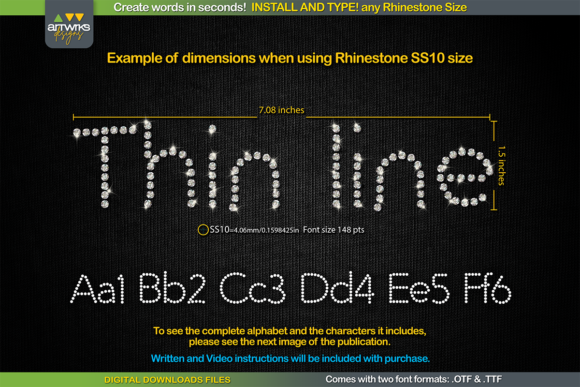
Thin Line isn't just another pretty font — it's designed to be both versatile and expressive. With its minimalist yet striking appearance, this typeface brings a contemporary edge to any project. It features a sleek structure, open counters, and subtle detailing that give it a professional finish without sacrificing creativity.
The name "Thin Line" might suggest something delicate, but the font itself is anything but. While it maintains a refined look, it also has enough weight and presence to stand out in headlines, logos, and other prominent text areas. This balance between subtlety and strength makes it ideal for a wide range of applications where impact matters.
Adaptability Across Industries
One of the most impressive qualities of Thin Line is its adaptability. Designers in various industries have found it to be an excellent fit for different purposes:
- Graphic Design: Use Thin Line for posters, flyers, and social media graphics where bold text needs to catch attention quickly.
- Web Design: Its legibility and modern aesthetic work well in web headers and banners, especially when paired with softer body fonts.
- Brand Identity: Many startups and creative agencies use Thin Line in their logos to convey innovation and sophistication.
- Print Media: From book covers to magazine layouts, Thin Line adds a touch of style while remaining readable.
Because of its flexibility, Thin Line doesn’t just serve one niche. Instead, it becomes part of the designer’s toolkit, ready to enhance whatever they’re working on.
How Thin Line Enhances Your Creative Projects
When you add Thin Line to your favorite creations, you’ll notice how effortlessly it elevates the overall look. The font has a way of drawing the eye, whether you're designing a website, creating a poster, or developing a brand identity. Here are some specific ways it can help bring your ideas to life:
- Visual Impact: Thin Line’s bold strokes and geometric shapes create strong focal points. This makes it great for headlines and call-to-action buttons.
- Clean Aesthetic: Despite its bold nature, the font remains surprisingly clean and modern. This allows it to integrate smoothly into minimalist or high-tech designs.
- High Readability: Unlike many decorative fonts, Thin Line doesn’t sacrifice readability. Each letter is distinct and easy to follow, even at smaller sizes.
- Emotional Resonance: The font conveys confidence and clarity, which can be powerful in marketing or branding messages aimed at professionalism or trustworthiness.
Whether you're using it for a logo or a digital banner, Thin Line helps communicate your message with both style and substance.
Real-World Examples of Thin Line in Action
To better understand how Thin Line works, let’s look at some practical examples:
- Startup Branding: A tech startup named “Nexora” used Thin Line in their logo and website header. The result was a modern, trustworthy image that resonated with investors and users alike.
- Event Posters: At a recent music festival, organizers used Thin Line for the main title. Its bold and fun appearance matched the energetic vibe of the event perfectly.
- App Interfaces: A mobile app focused on productivity incorporated Thin Line in key UI elements. The contrast between the bold headings and softer supporting text made navigation intuitive and visually appealing.
These scenarios show that Thin Line isn’t limited to a single use case. It adapts beautifully to different styles and contexts, proving its value time and again.
Why Choose Thin Line Over Other Display Fonts?
With so many display fonts available today, what sets Thin Line apart? Let’s explore some of the key reasons why it stands out:
1. Unique Character Set
Thin Line includes a variety of special characters, ligatures, and alternate glyphs that allow for greater customization. These features help designers avoid generic-looking text and instead craft something truly unique. For instance, you can easily create stylized variations of common phrases like “Welcome Home” or “New Arrival” by swapping in alternative forms.
2. Compatibility with Modern Tools
This font is optimized for use across platforms and tools like Adobe Photoshop, Illustrator, Figma, and Canva. Whether you're a seasoned designer or a hobbyist, Thin Line integrates seamlessly into your workflow. Its OpenType support means it works reliably on both Windows and macOS systems, as well as on mobile devices.
3. Scalability
Thin Line looks great whether it’s displayed on a smartphone screen or printed on a large billboard. The font’s proportions and stroke consistency ensure it remains sharp and clear at any size. This scalability is essential for brands and businesses that need consistent visuals across multiple formats.
4. Timeless Appeal
While trend-driven fonts come and go, Thin Line has a timeless quality that ensures it won’t feel outdated next year. Its design avoids over-the-top flourishes, focusing instead on clean, impactful lines that will continue to resonate with audiences.
Common Considerations When Using Thin Line
Before adding Thin Line to your project, consider the following factors to ensure it fits your needs:
- Use Case: Is the font being used for a headline, a logo, or a long-form paragraph? Thin Line shines in short, impactful texts rather than lengthy blocks.
- Color Pairing: The font’s bold nature means it pairs best with neutral or contrasting colors. Try pairing it with dark backgrounds for maximum visibility.
- Contrast with Body Text: To maintain readability, pair Thin Line with a more subdued body font. Sans-serif options often work best to keep the layout balanced.
- Platform Support: Always check that the platform you're using supports OpenType features if you plan to take advantage of Thin Line’s advanced styling options.
By keeping these considerations in mind, you can maximize the effectiveness of Thin Line in your design work.
Integrating Thin Line Into Your Workflow
Adding Thin Line to your creative process is simple, but doing so strategically can significantly improve your results. Here are some tips for integrating it effectively:
Step 1: Choose the Right Project
Thin Line works best in designs that require a strong visual punch. Avoid using it in small print or dense paragraphs. Instead, focus on titles, taglines, and key messaging elements.
Step 2: Test Different Sizes and Weights
Even though Thin Line is bold, it comes in multiple weights (if available). Experimenting with these can help you find the perfect balance between visibility and subtlety. Don’t be afraid to push the boundaries with oversized text or thin variants for layered effects.
Step 3: Play with Styling Options
If Thin Line offers stylistic alternates or ligatures, don’t skip them. These small details can make your text feel more polished and custom. For example, replacing standard punctuation marks with stylized versions can give your design a more cohesive look.
Step 4: Maintain Consistency
Once you’ve chosen Thin Line for a particular element, try to use it consistently throughout the design. This helps reinforce your message and gives your project a unified feel.
Pairing Thin Line with Complementary Fonts
A great font only reaches its full potential when paired correctly. Thin Line, with its bold and modern look, pairs well with:
- Serif Fonts: For a classic-meets-modern vibe, try combining Thin Line with a serif font like Georgia or Merriweather for body text.
- Minimalist Sans-Serifs: If you want to keep the entire design clean, pair it with a simple sans-serif like Helvetica Neue or Lato.
- Handwritten Fonts: For a more personal or artistic feel, mix Thin Line with a soft handwritten font like Quicksand or Raleway in secondary text areas.
Remember, the goal is to create harmony between the fonts. Thin Line should complement rather than compete with the rest of your typographic choices.
Thin Line and the Future of Display Typography
As digital and print design continue to evolve, the demand for fonts that combine functionality with flair is growing. Thin Line represents a new wave of display fonts that prioritize usability without compromising aesthetics. It reflects current trends in minimalism and bold expression, offering a bridge between clean design and creative freedom.
Designers today aren’t just looking for fonts that look good — they want fonts that work well. Thin Line delivers on both fronts, making it a valuable addition to any creative toolkit. Its ability to adapt to different styles and formats ensures it remains relevant in fast-changing design landscapes.
Where to Find and Download Thin Line
If you're interested in using Thin Line for your next project, there are several reputable places to find and download it. Popular font marketplaces like Adobe Fonts, Google Fonts, and MyFonts often carry display fonts like Thin Line. Be sure to verify licensing terms before downloading, especially if you plan to use it commercially.
Some designers prefer to purchase premium versions of fonts like Thin Line to access additional features, such as extended character sets or multilingual support. Others may choose free alternatives if budget is a concern, but Thin Line’s quality often justifies the cost for professional use.
Final Thoughts on Using Thin Line Effectively
Thin Line is more than just a cool-looking font — it's a tool that can transform your designs. By understanding its strengths and limitations, you can leverage it to create compelling visuals that speak volumes. Whether you're designing for a client or expressing yourself creatively, Thin Line is a reliable and stylish choice.
Its bold and adaptable nature makes it suitable for everything from digital banners to physical signage. As long as you use it thoughtfully and pair it correctly, Thin Line will help your projects stand out in a crowded visual landscape. So next time you're looking for a display font that’s both modern and memorable, give Thin Line a try — you might just find it's the missing piece you've been searching for.