Graffiti Line: The Font That Captures Urban Creativity
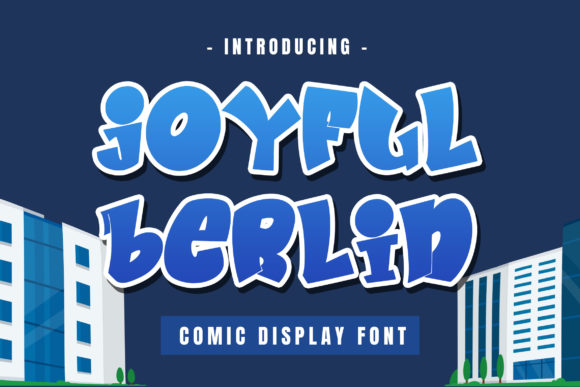
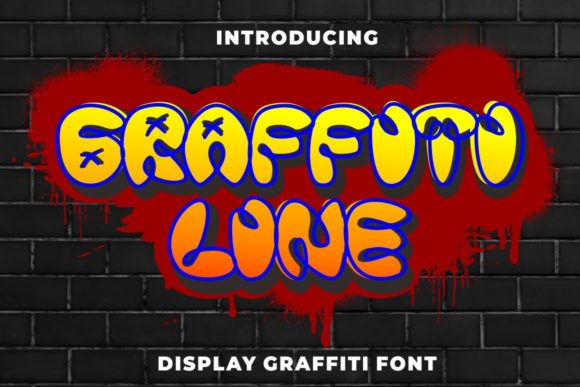
For designers, artists, and anyone who wants to bring an edgy, modern aesthetic to their projects, Graffiti Line offers a compelling solution. Inspired by the raw energy of city streets, this graffiti-style font blends authenticity with functionality. Whether you're crafting logos, posters, or digital banners, Graffiti Line provides the visual punch needed to stand out in today’s competitive design landscape.
What Makes Graffiti Line Unique?
At its core, Graffiti Line is more than just a font—it's a tool for creative expression. Its bold, uneven strokes mimic the unpredictable nature of real-world graffiti, making it feel alive and dynamic. This gives your text an unmistakable street vibe without requiring you to manually create each letter from scratch.
The font includes ligatures, which are special character combinations that enhance the flow and appearance of the text. These ligatures add subtle variations between letters, preventing the design from looking rigid or artificial. For example, "Th" might be connected in a way that mimics how a graffiti artist would naturally sketch it on a wall. This attention to detail elevates the realism and overall impact of the font.
PUA Encoding for Full Glyph Access
One of the standout features of Graffiti Line is its PUA (Unicode Private Use Area) encoding. This means that all the additional glyphs, swashes, and stylized characters included in the font are easily accessible through your design software. You don't need advanced technical skills to use them—just select the glyph you want and apply it directly to your project.
This accessibility is especially useful for those who want to experiment with different looks quickly. It also makes the font ideal for custom branding, where unique typography can play a key role in defining a company’s identity.
Practical Applications Across Industries
Graffiti Line isn’t limited to one type of project or industry. Its versatility allows it to fit into a wide range of applications:
- Branding & Packaging: Use Graffiti Line to give products a rebellious or youthful edge. Think skateboards, urban apparel, or music merchandise. The font communicates attitude and authenticity, helping brands connect with niche audiences.
- Logos & Wall Art: The expressive style of Graffiti Line works well for logo design, particularly when aiming for a contemporary or alternative brand image. In wall art, it adds texture and depth without needing to commission hand-painted graphics.
- Headlines & Banners: If you're creating digital content such as social media banners, event posters, or website headers, this font commands attention. It’s perfect for headlines that need to reflect energy, movement, or a sense of urgency.
- Templates & Posters: Designers working on templates for print or digital platforms can streamline their workflow by using Graffiti Line. It eliminates the need to trace or recreate graffiti-style lettering manually, saving time while maintaining quality.
Take, for instance, a small business owner launching a new line of urban-inspired headphones. They might use Graffiti Line in their product packaging and promotional materials to emphasize the product's edgy, street-smart personality. The font helps reinforce the brand message without relying on complex illustrations or expensive graphic work.
Who Benefits Most from Graffiti Line?
Certain professionals and creators will find Graffiti Line particularly valuable:
- Graphic Designers: Those who specialize in branding or poster design can use Graffiti Line to deliver high-impact visuals quickly and efficiently.
- Entrepreneurs & Small Business Owners: When building a brand that targets younger or urban demographics, having the right typography can make a big difference in perception and engagement.
- Bloggers & Content Creators: Bloggers who focus on lifestyle, fashion, or pop culture can incorporate Graffiti Line into headers and featured images to maintain a cohesive, stylish theme.
- Freelancers & Hobbyists: Independent creators who may not have access to professional illustration tools can still achieve a polished graffiti look using this font.
Because it's designed to emulate authentic graffiti, the font resonates with audiences familiar with urban culture. It’s not just about aesthetics—it’s about tapping into a mindset and community that values creativity, freedom, and self-expression.
How Graffiti Line Enhances Your Workflow
Designing with graffiti-style fonts traditionally requires a lot of manual effort. You might spend hours tracing letters or adjusting curves to get the right look. With Graffiti Line, you can bypass that process entirely. The font is built with a balance of readability and artistic flair, ensuring your message stays clear even in bold form.
Consider a marketer tasked with creating a campaign for a local mural festival. Instead of hiring a designer to create custom graffiti text for every poster and flyer, they can simply install Graffiti Line and generate multiple variations instantly. The font supports both uppercase and lowercase letters, allowing for flexibility in tone—from aggressive tag-style writing to more readable display text.
Another benefit is how easy it is to pair Graffiti Line with other fonts. Because of its strong presence, it often works best as a headline or title font. A common pairing could be with a clean sans-serif like Montserrat or Roboto for body text, ensuring contrast while keeping the layout visually balanced.
Real-World Scenarios Where Graffiti Line Shines
Let’s explore some practical examples where Graffiti Line has proven to be a game-changer:
- Restaurant Branding: A new bistro targeting young adults used Graffiti Line in its logo and signage to reflect a casual, trendy atmosphere. The font helped create a cohesive look across menus, takeout containers, and social media posts.
- Event Promotion: A music festival organizer incorporated Graffiti Line into their promotional banners and email headers. The font’s boldness and uniqueness made their event feel more exciting and aligned with the festival’s underground vibe.
- Product Launches: An independent toy company launched a line of “urban adventure” toys for kids. Graffiti Line was used in packaging and marketing materials to appeal to parents who value modern, edgy design and to capture children’s imaginations.
In these cases, the font wasn’t just decorative—it played a strategic role in shaping brand identity and audience perception.
Technical Advantages for Design Efficiency
Beyond its visual appeal, Graffiti Line is engineered for efficiency. As mentioned earlier, the inclusion of ligatures and alternate glyphs means you can fine-tune your text to match specific styles or moods. This is invaluable for designers who need to produce multiple versions of a concept in a short amount of time.
The font also supports OpenType features, so if you’re using Adobe Illustrator or Photoshop, you can access the full range of stylistic options with just a few clicks. This eliminates the need for extra plugins or complicated workarounds, streamlining your design process and reducing production time.
Additionally, because Graffiti Line is optimized for screen and print, it maintains clarity at various sizes. Whether you’re designing a massive billboard or a tiny Instagram caption, the font adapts well, preserving its character and legibility.
Limitations and Considerations
While Graffiti Line is powerful, it’s important to consider whether it fits your specific needs. Like any specialized font, it’s not always suitable for every context. Here are a few limitations and considerations to keep in mind:
- Not Ideal for Long Text: Graffiti Line is a display font, meaning it’s best suited for headlines, titles, or short bursts of text. Using it for large blocks of copy could reduce readability and overwhelm the viewer.
- Context Matters: The font thrives in environments that embrace urban culture. It may not be appropriate for formal or corporate settings unless used very selectively for emphasis.
- Compare Options: Before finalizing your choice, compare Graffiti Line with similar graffiti-style fonts. Look at factors like glyph variety, spacing, and compatibility with your design software to ensure it aligns with your project goals.
By understanding these nuances, you can better determine when and how to use Graffiti Line effectively. It’s not a one-size-fits-all solution, but when used correctly, it becomes a powerful asset in your design toolkit.
Why Choose Graffiti Line Over Alternatives?
There are many graffiti-style fonts available, but Graffiti Line stands out due to its thoughtful design and usability. Unlike some fonts that sacrifice legibility for style, Graffiti Line maintains a balance that makes it usable across different mediums.
Its ligature system is also more comprehensive than many competitors, giving you greater control over how words appear. For example, if you're designing a t-shirt with a phrase like “Street Life,” the ligatures help the text feel more natural and fluid, as though it were painted by hand.
Moreover, the font's PUA encoding ensures that you won’t miss out on any of its stylistic elements. Many free graffiti fonts limit access to alternate glyphs unless you use them in conjunction with third-party tools, which can complicate the design process. Graffiti Line avoids this issue altogether, making it a reliable choice for both quick edits and long-term projects.
Tips for Getting the Most Out of Graffiti Line
To maximize the potential of Graffiti Line, here are a few recommendations based on real-world usage:
- Layer with Texture: To give your designs a more authentic feel, consider adding background textures like concrete walls or brick patterns. This complements the font’s rough edges and enhances the overall urban aesthetic.
- Use Color Thoughtfully: While Graffiti Line works well in black and white, experimenting with color gradients or neon accents can highlight the font’s dynamic structure and make it pop in digital formats.
- Test in Real Environments: If you're planning to use the font for physical displays like murals or signage, test it at actual size before printing. This ensures that it reads clearly and holds up under real-world conditions.
These tips can help you refine your use of the font and ensure it delivers maximum impact in your design work.
Final Thoughts on Integrating Graffiti Line
Fonts like Graffiti Line offer a bridge between traditional typography and modern design needs. They allow professionals to communicate with style and purpose, without compromising on efficiency or quality. Whether you're designing for a client or yourself, choosing the right font can elevate your work and resonate more deeply with your target audience.
By incorporating Graffiti Line into your creative projects, you're not just adding a font—you're infusing your designs with a sense of movement, rebellion, and originality. It’s a tool that empowers you to express ideas in ways that feel fresh and relevant, especially in industries where standing out is essential.
If you're ready to explore new possibilities in your design work, consider trying Graffiti Line. Let it inspire your next project, and see how it transforms your creative output with minimal effort and maximum impact.