Classic Ribbon: A Display Typeface for Impactful Visual Communication
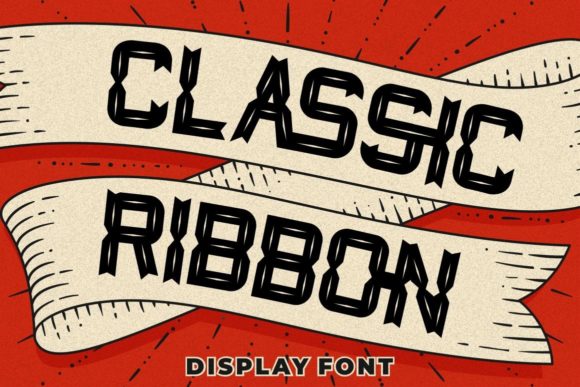
Typography plays a pivotal role in how messages are perceived. Whether you're designing a music poster, crafting a brand identity, or creating content for social media, the right font can elevate your message from forgettable to unforgettable. Enter Classic Ribbon, a display typeface that blends the raw energy of music posters with the bold flair of carnival typography and the timeless appeal of classic tattoo designs. This inline-style font isn’t just visually striking—it’s a strategic tool for creators who want their headlines, logos, and promotional materials to stand out in a crowded digital landscape.
Understanding the Essence of Classic Ribbon
Classic Ribbon is more than a pretty font; it’s an embodiment of cultural nostalgia and visual storytelling. Inspired by vintage concert flyers, circus banners, and old-school tattoos, this typeface brings a sense of authenticity and character to any design. Its inline style—where strokes overlap or intertwine—adds depth and dimension, making it ideal for attention-grabbing applications like gig posters, film titles, YouTube tutorials, and branding projects.
The PUA encoding ensures that every glyph, swash, and variation is accessible without the need for complex software. This makes Classic Ribbon both user-friendly and powerful, allowing designers to experiment freely while maintaining control over the final output.
Why Use Classic Ribbon?
There are several strategic reasons why Classic Ribbon could become a staple in your creative toolkit:
- Memorability: The unique inline structure and stylized forms make it easy for audiences to remember your brand or message.
- Emotional Resonance: Drawing on retro and subcultural aesthetics, it evokes a sense of history and authenticity that modern sans-serif fonts often lack.
- Versatility: Despite its bold appearance, Classic Ribbon adapts well to various formats—from print to digital—and can be used across different industries including entertainment, fashion, and lifestyle.
Strategic Applications of Classic Ribbon
When choosing a font, it's essential to align it with your goals and audience expectations. Here’s how Classic Ribbon can support your strategic objectives:
Brand Identity and Positioning
For businesses seeking to establish a strong brand presence, especially in niches like live events, streetwear, or independent publishing, Classic Ribbon can help communicate a bold personality. Consider using it for logo design where you want to convey a mix of tradition and edge. For example, a boutique tattoo studio might use Classic Ribbon in their logo to evoke a sense of heritage while standing out from competitors with a more minimalist approach.
Customer Engagement and Communication
In marketing and communications, first impressions matter. Classic Ribbon can serve as a headline font in email campaigns, landing pages, or social media posts aimed at audiences who value creativity and originality. It works particularly well for event promotions—like indie music festivals or local theater performances—where a nostalgic or rebellious tone is appropriate.
Content Creation and Media Production
Creators on platforms such as YouTube, TikTok, or Instagram often rely on thumbnails and video titles to capture attention. Using Classic Ribbon for these elements can give your content a distinctive look that resonates with viewers interested in retro culture, alternative lifestyles, or artistic expression. Similarly, when designing film titles or documentary headers, the font adds a dramatic flair that enhances storytelling before the content even begins.
Event Promotion and Poster Design
If you’re promoting a live event—whether a concert, art show, or community gathering—Classic Ribbon offers a way to visually signal the experience. Think about how a vintage-inspired gig poster uses color and typography to transport the viewer into a specific era or mood. By applying Classic Ribbon, you tap into that same emotional trigger, helping attendees connect with the event on a deeper level.
Personal Projects and Creative Ventures
Hobbyists, bloggers, and educators can also benefit from this font. Wedding invitations with a rustic or bohemian theme, greeting cards with a handcrafted feel, or educational infographics targeting a younger demographic all gain from the expressive nature of Classic Ribbon. Its ability to add personality without overwhelming the layout is a key strength in these contexts.
Planning Thoughtfully with Classic Ribbon
To use Classic Ribbon effectively, consider the following planning tips:
- Define the Purpose: Before selecting the font, ask what you want it to achieve. Is it for a logo that needs to project authority and charm? A poster that must grab attention from a distance? Knowing the goal helps ensure the font supports it rather than distracts from it.
- Consider Readability: While Classic Ribbon is perfect for headlines and accents, it may not be suitable for body text due to its intricate design. Reserve it for high-impact areas where legibility is secondary to visual effect.
- Balance with Simpler Fonts: Pair Classic Ribbon with clean, readable fonts in supporting text to maintain hierarchy and clarity. This contrast allows the headline to pop while ensuring the rest of the content remains scannable and digestible.
- Test Across Platforms: Ensure that the font looks consistent on different devices and screen sizes. Inline fonts can sometimes render inconsistently if not optimized properly, so always preview before finalizing a design.
Use Cases That Align with Strategic Goals
Here are some real-world scenarios where Classic Ribbon can drive results:
- Music Promotion: Indie bands and DJs often need a visual style that stands apart from mainstream trends. Classic Ribbon gives them a unique edge while still feeling familiar to fans of older genres like rock, blues, or punk.
- Film Titles: Short films or documentaries that aim for a gritty or nostalgic atmosphere can leverage the font’s texture and rhythm to enhance the narrative before the first frame is shown.
- Apparel Branding: Clothing lines with a vintage or rebellious vibe can use Classic Ribbon for taglines, labels, or packaging. It complements distressed fabrics and hand-drawn graphics beautifully.
- Social Media Campaigns: Marketers aiming to build a cohesive visual language for a campaign can integrate the font into headers, call-to-action buttons, or themed graphics to reinforce brand recognition.
What to Avoid When Using Classic Ribbon
Despite its strengths, Classic Ribbon is not a one-size-fits-all solution. There are situations where its use could undermine your message or confuse your audience:
- Overuse: Applying the font excessively can dilute its impact. Limit it to key visual elements to preserve its effectiveness.
- Lack of Context: If your target audience doesn’t connect with the retro or subcultural references embedded in the font, it may appear gimmicky rather than authentic. Always align the font with your brand voice and customer preferences.
- Inappropriate Color Choices: The font’s ornate details require careful color selection. Too many colors or low contrast can make it difficult to read or diminish its aesthetic appeal.
Risks of Using Without Clear Intent
Using Classic Ribbon without a clear understanding of its purpose can lead to poor outcomes. For instance, applying it in a corporate report or formal presentation might clash with the professional tone expected by stakeholders. Similarly, using it in product packaging for a luxury item could send mixed signals about quality and sophistication.
Always ask yourself: does this font support the message I want to deliver? Does it resonate with the audience I’m trying to reach? These questions will guide you toward intentional use rather than random experimentation.
Decision-Making Guidance for Effective Typography
Choosing the right font involves more than aesthetics—it requires thoughtful decision-making based on context, audience, and medium. Here’s how to evaluate whether Classic Ribbon is the right choice for your next project:
- Assess Your Audience: Are they drawn to vintage styles, music culture, or artisanal craftsmanship? If yes, Classic Ribbon may be a natural fit.
- Evaluate the Medium: Will the font be used in print or digital form? How large will it appear? Understanding these factors ensures the font maintains its integrity and readability.
- Review Competitor Fonts: What are others in your industry using? If you’re looking to differentiate your brand or campaign, Classic Ribbon offers a compelling alternative.
- Prototype and Iterate: Test the font in mockups or drafts. Observe how it performs under different conditions and adjust accordingly.
Long-Term Value and Consistency
A font should not only serve a single project but also contribute to a consistent visual language across time. Classic Ribbon can be a foundational element of a long-term brand strategy, especially when paired with complementary design elements like distressed textures, vintage illustrations, or warm color palettes. Over time, this consistency builds recognition and trust among your audience.
Conclusion: Elevating Creativity Through Intentional Typography
In today’s fast-paced world, visual communication must do more than inform—it must engage, inspire, and resonate. Classic Ribbon offers a powerful way to inject personality and purpose into your designs. However, its true potential is unlocked only when used intentionally and strategically.
By understanding its origins, evaluating its fit for your goals, and applying it thoughtfully, you can transform your creative output. From branding to event promotion, from digital content to print media, Classic Ribbon provides a versatile yet distinctive option for those who want their typography to tell a story.
As you move forward with your next project, let the font’s character guide your choices—not dictate them. The result will be visuals that are not only beautiful but also meaningful, memorable, and mission-aligned.