Ottine: A Bold Display Font for Impactful Visual Communication
Typography plays a crucial role in visual communication, shaping how messages are perceived and experienced. Among the many display fonts available today, Ottine stands out as a modern, assertive, and visually compelling choice for designers looking to make a strong impression. With its clean lines and confident structure, Ottine offers a unique balance between style and readability, making it ideal for a wide range of print and digital applications.
The Design Language of Ottine
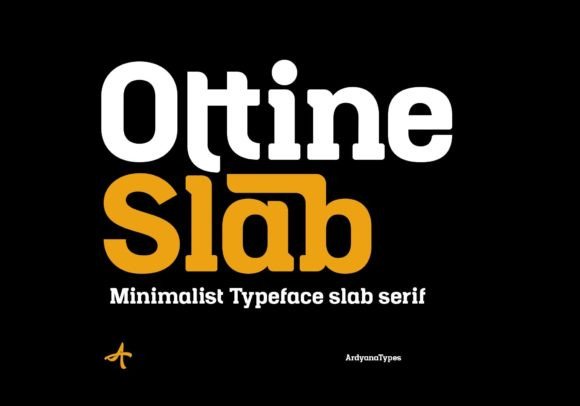
Ottine is a display font that combines geometric precision with expressive character. Its design features sharp angles and a contemporary feel, which gives it an air of sophistication while maintaining a bold presence. Unlike more traditional serif or script fonts, Ottine leans into the aesthetics of modern sans-serif typography but adds its own twist through subtle weight variations and dynamic stroke contrast.
This font is particularly effective when used in large sizes, where its characteristics become most pronounced. The legibility of Ottine does not diminish even at smaller scales, allowing it to be versatile across various formats. Whether you're designing a poster, flyer, logo, or website header, Ottine brings clarity and strength to your message.
Key Characteristics of Ottine
- Clean and Modern: Ottine's minimalist design makes it adaptable to both high-end branding and casual promotional materials.
- Strong Optical Contrast: The font uses varying stroke widths to create depth and movement, adding dimension without complexity.
- Geometric Precision: Each letterform is crafted with attention to symmetry and proportion, ensuring a polished look.
- High Readability: Despite its bold appearance, Ottine remains easy to read, especially in short blocks of text.
- Versatile Weight Options: Available in multiple weights, Ottine can support layered designs and emphasize key phrases effectively.
Practical Use Cases for Ottine
Ottine’s distinctive look makes it suitable for a variety of professional and personal projects. Here are some common use cases where this font shines:
Posters and Event Promotions
One of the most popular applications of Ottine is in poster design. Its bold nature ensures that headlines grab attention from a distance, while its clean form allows supporting text to remain legible. For events like music festivals, product launches, or art exhibitions, Ottine can serve as the visual anchor that ties together all other design elements.
Branding and Logo Design
Businesses aiming to project confidence and innovation often choose Ottine for their logos and brand identities. The font’s assertiveness aligns well with industries such as technology, fashion, and lifestyle, where a modern and dynamic image is essential. It works particularly well in monochrome settings, where its structural details can be highlighted without distraction.
Flyers and Print Materials
For printed collateral like flyers, brochures, and banners, Ottine provides a striking yet functional option. Its ability to hold up under different printing conditions ensures that your message remains clear and impactful regardless of the medium. This is especially important when working with limited color palettes or low-resolution outputs.
Digital Media and Web Headers
Though primarily a print-oriented font, Ottine also performs admirably in digital contexts. When used for headers or call-to-action buttons on websites, it can enhance user engagement by drawing the eye and conveying urgency or importance. However, care should be taken when using Ottine in extended body copy online, as its display nature may affect readability on smaller screens.
Why Ottine Stands Out in the Typography Landscape
In a world saturated with fonts, Ottine distinguishes itself through its unique blend of simplicity and strength. It avoids overcomplication, which is a common pitfall in many decorative typefaces, while still offering enough personality to stand apart from generic sans-serif options. This makes Ottine a go-to choice for creators who want to express a modern, no-nonsense aesthetic.
Designers appreciate Ottine for its versatility in handling both uppercase and lowercase text with equal grace. Its neutral tone allows it to pair well with a range of supporting fonts, enabling harmonious typographic hierarchies. Additionally, Ottine supports a broad character set, including special symbols and international characters, making it accessible for global audiences.
Comparisons with Similar Fonts
When compared to other display fonts like Montserrat, Raleway, or Bebas Neue, Ottine holds its own by combining the best traits of each. Like Montserrat, it offers geometric shapes and excellent readability, but with a more dramatic flair. In comparison to Bebas Neue, Ottine maintains a similar boldness but introduces more nuance through its stroke variation and kerning adjustments.
This balance allows Ottine to fit comfortably into diverse design ecosystems—from sleek corporate presentations to vibrant streetwear labels. It’s not just a font; it’s a statement of intent.
Best Practices for Using Ottine
To get the most out of Ottine, consider these guidelines when incorporating it into your designs:
- Use for Headlines and Titles: Ottine excels in roles where impact is key. Avoid using it for long paragraphs unless paired with a more readable secondary font.
- Pair with Complementary Fonts: To maintain visual harmony, pair Ottine with softer, more conventional fonts in body text. Think pairing with Open Sans or Lato for a balanced layout.
- Experiment with Color and Space: Because of its strong visual presence, Ottine responds well to creative treatments—such as gradients, outlines, or negative space—without losing its integrity.
- Leverage Weight Variations: Ottine’s different weights can help establish visual hierarchy. Use lighter versions for subheadings and bolder ones for primary titles.
- Optimize for Context: Always evaluate the context in which Ottine will be used. Will it be viewed on a screen or printed? What is the background and color scheme? These factors influence how the font is perceived.
Real-World Examples
Many successful brands and independent designers have integrated Ottine into their work. One notable example is a tech startup that used Ottine in their launch campaign to reflect speed, efficiency, and forward-thinking values. The font became a central element of their identity, appearing consistently across marketing materials, packaging, and social media assets.
In another case, a local coffee shop utilized Ottine for their seasonal menu board, where it helped highlight promotions and new items with visual appeal. The combination of Ottine’s boldness and clean structure created a welcoming yet energetic atmosphere that resonated with customers.
Technical Considerations and Licensing
Before using Ottine in your projects, it’s important to understand its technical specifications and licensing terms. Ottine is typically offered as a downloadable font package, which includes TrueType (TTF) or OpenType (OTF) files. These formats are widely supported across major design software and operating systems, ensuring compatibility for most users.
As with any font, always verify the license agreement to ensure it meets your usage requirements. Ottine is usually available for commercial use, but restrictions may apply depending on the source and version you choose. Some platforms offer free versions with limited features, while others provide full commercial licenses for a fee.
Additionally, Ottine’s file size is relatively compact, which is advantageous for web developers concerned about page load times. When embedding Ottine on a site, opt for WOFF or WOFF2 formats to optimize performance without sacrificing quality.
Trends and Future Relevance
Display fonts like Ottine are increasingly popular in design circles due to the rise of minimalism and flat design trends. As visual communication moves toward cleaner, more direct styles, Ottine represents a perfect synthesis of form and function. Its ability to convey authority and modernity positions it as a relevant choice for current and future design needs.
Moreover, Ottine’s adaptability means it can evolve with design trends rather than become obsolete. Whether used in a retro-inspired poster or a futuristic app interface, Ottine retains its core strengths while fitting seamlessly into new contexts.
Exploring Ottine in Creative Workflows
Integrating Ottine into your workflow requires a thoughtful approach. Start by defining the purpose of the text you’re setting—headline, title, or accent—and adjust the font accordingly. Test different weights and spacing to see what works best for your composition.
Consider using Ottine in conjunction with contrasting textures or colors to amplify its visual effect. For instance, placing it over a textured background or within a shadowed graphic can elevate the overall design and create a sense of depth.
For those interested in exploring Ottine further, many font libraries provide live previews and demo texts to help you visualize its potential before committing to a purchase or download.
Conclusion
Ottine is more than just a font—it’s a tool for visual storytelling. By leveraging its bold and assertive design, you can communicate ideas with clarity and conviction. Whether you're a professional designer, a hobbyist, or a business owner crafting your next marketing piece, Ottine offers a compelling solution that balances aesthetics with usability.
Its growing popularity is a testament to its effectiveness and relevance in today’s design landscape. As you explore Ottine’s capabilities, keep in mind the principles of good typography: contrast, alignment, proximity, and repetition. These will guide you in making the most of this powerful font and enhancing your visual communications in meaningful ways.