Drowning in the Rain: A Strategic Approach to Type Design and Brand Communication
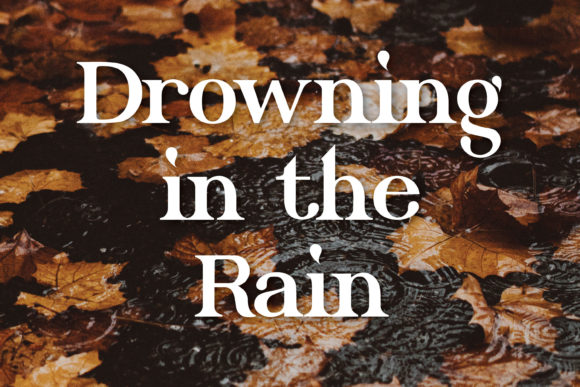
Typography is more than just choosing a font—it’s about making strategic decisions that align with your brand identity, audience perception, and communication goals. One such typeface that stands out for its nuanced design and thoughtful application is Drowning in the Rain. This transitional-style font blends elements of neoclassical elegance with a distinct personality that makes it suitable for a wide range of professional and creative uses. Its unique characteristics—vertical stress, bracketed yet sharp serifs, angled head-serifs, and moderate stroke contrast—position it as a versatile tool for designers and communicators who want to convey both clarity and sophistication.
Understanding Drowning in the Rain: A Transitional Font with Purpose
Drowning in the Rain belongs to the transitional type category, which bridges the gap between Old-Style and Neoclassical (Didone) fonts. It inherits some of the warmth and readability of Old-Style designs while incorporating the vertical axis and sharper serifs typical of Didones. However, it doesn’t push the envelope into the more dramatic contrasts seen in fonts like Baskerville or Bodoni. Instead, it offers a balanced middle ground, making it ideal for long-form content and branding materials where legibility and visual appeal must coexist.
This font features angled head-serifs, which give it a sense of movement and directionality. The bracketed serifs add a touch of refinement without overwhelming the character structure, allowing for a clean yet expressive appearance. The moderate stroke contrast enhances its readability on screens and in print, ensuring it performs well across different mediums and sizes.
Strategic Use of Drowning in the Rain in Professional Contexts
For professionals and entrepreneurs, typography can be a subtle but powerful branding element. Drowning in the Rain can support strategic goals by enhancing the perceived professionalism and approachability of your content. Whether you're launching a new website, preparing marketing collateral, or designing a publication, this font can help you strike the right tone.
- Branding: If your brand values tradition with a modern twist, Drowning in the Rain could be an excellent choice. Its transitional nature allows it to feel contemporary while still evoking classic design principles.
- Communication: In editorial design or content-heavy websites, this font supports clear communication. Its vertical stress and sharp serifs make it easy to read in body text, especially at smaller sizes.
- Productivity and Learning: For digital tools, educational platforms, or productivity apps, using a font that reduces cognitive load is key. Drowning in the Rain achieves this by maintaining a balance between formality and familiarity.
Planning Your Typography Strategy with Drowning in the Rain
Before integrating Drowning in the Rain into your project, consider your overall design strategy. Ask yourself:
- What is the primary message I want to communicate?
- Who is my target audience, and how will they perceive this font?
- Where will the font appear—on-screen, in print, or both—and what are the size requirements?
Use Cases Where Drowning in the Rain Shines
The versatility of Drowning in the Rain makes it a strong candidate for various use cases. Here are a few practical examples where it can enhance your outcomes:
1. Editorial Design and Content Publishing
In magazines, blogs, or online publications, this font helps maintain reader engagement. Its readability in extended text ensures that users don’t get lost in dense paragraphs. When paired with a sans-serif header font, it creates a harmonious typographic system that feels both polished and accessible.
2. Corporate Branding and Marketing Materials
For businesses aiming to project a professional yet human-centric image, Drowning in the Rain adds a layer of sophistication. Think annual reports, brochures, or email newsletters where trust and clarity are essential. The font’s subtle charm can differentiate your brand from competitors who rely solely on sterile, sans-serif options.
3. Creative Projects and Freelance Work
Creative professionals often seek fonts that reflect their personal style. Drowning in the Rain can be used in portfolios, creative briefs, or client proposals to showcase attention to detail and a refined aesthetic. It’s particularly effective in projects where you want to evoke emotion without sacrificing functionality.
4. Educational Platforms and E-learning Tools
Educational content requires a font that’s easy to read over time. The transitional qualities of Drowning in the Rain offer a good compromise between traditional and modern aesthetics, helping learners focus on the material rather than being distracted by overly stylized typefaces.
How to Integrate Drowning in the Rain Thoughtfully
Using any font effectively involves more than just selecting it from a dropdown menu. To ensure Drowning in the Rain supports your goals, follow these planning tips:
- Pair wisely: Complement Drowning in the Rain with a contrasting sans-serif typeface for headers or navigation to create a visually appealing hierarchy.
- Test across devices: Confirm that the font renders clearly on mobile, tablet, and desktop views. Subtle details like serif angles may affect legibility depending on screen resolution.
- Consider color and spacing: Darker weights of the font may require lighter backgrounds to avoid eye strain. Also, adjust line height and letter spacing to enhance readability, especially for longer passages.
- Stay consistent: Once selected, use the font consistently across all touchpoints—website, business cards, presentations—to reinforce brand recognition and coherence.
Avoiding Common Pitfalls
Despite its strengths, there are scenarios where Drowning in the Rain may not be the best fit. Using it in contexts requiring high legibility at very small sizes, such as product labels or signage, could lead to usability issues. Similarly, relying on it for highly decorative or artistic purposes might not deliver the intended impact, as its design leans toward readability and subtlety rather than bold expression.
Another risk lies in using the font without a clear context or purpose. Randomly applying Drowning in the Rain across multiple sections of a site or document can dilute your brand message and confuse your audience. Always align your typography choices with your strategic objectives and user expectations.
Long-Term Value and Decision-Making Guidance
When considering long-term results, it’s important to choose a font that will age gracefully and remain relevant as your brand evolves. Drowning in the Rain offers a timeless quality due to its roots in transitional design, which has been a staple in professional settings for decades.
As a designer or decision-maker, ask yourself: Does this font support our growth? Will it continue to resonate with our audience in the future? These questions should guide your choice, ensuring that your typographic decisions contribute to long-term success rather than short-lived aesthetics.
Practical Examples for Realistic Application
Here are a few realistic applications of Drowning in the Rain in professional environments:
- Startup Website Redesign: A young startup in the education technology sector adopted Drowning in the Rain for their main body text. Paired with a modern sans-serif like Lato for headlines, the result was a fresh yet trustworthy look that helped attract investors and early adopters.
- Freelance Portfolio: A graphic designer used Drowning in the Rain to create a portfolio with a vintage-inspired theme. The font added depth and character without compromising the clarity of her work descriptions and testimonials.
- Internal Documentation: A growing SaaS company integrated Drowning in the Rain into their internal documentation system. The font’s readability improved employee efficiency, reducing the need for re-reading instructions and minimizing errors.
Decision-Making Framework for Choosing the Right Font
Selecting a font like Drowning in the Rain should be part of a broader decision-making framework. Consider the following factors when evaluating its suitability for your next project:
- Brand Personality: Does the font reflect your brand’s core values? Is it serious, approachable, or somewhere in between?
- Target Medium: How will the font perform in its intended environment? Will it scale well on different screens or print formats?
- Content Length: Is the font appropriate for long texts, short headlines, or both? Some fonts excel in one area but fall short in another.
- User Experience: How does the font affect the ease of reading and emotional response of your audience? Test it with real users if possible.
By approaching typography with this level of intentionality, you increase the chances of achieving better results and avoiding costly missteps down the line.
Conclusion
Drowning in the Rain is a font that balances beauty and function. Its transitional characteristics allow it to adapt to various professional and creative contexts, making it a valuable asset for those who prioritize both design and communication effectiveness. When used thoughtfully, it can elevate your brand’s visual identity, improve user experience, and support long-term strategic goals.
Remember, the key to successful typography is not just picking a pretty font—it’s about understanding how each choice impacts perception, performance, and outcomes. By integrating Drowning in the Rain with a clear plan and purpose, you can harness its potential to achieve meaningful results in your projects and communications.