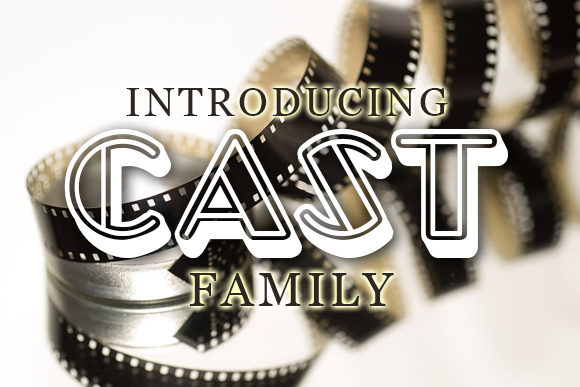
Cast: A Retro-Styled Display Font That Elevates Your Visual Projects
If you're looking for a font that brings character and charm to your design work, Cast might just be the perfect fit. This retro-styled display font family has quickly become a favorite among designers, marketers, and creatives who want their posters, flyers, logos, and other visual materials to stand out with a vintage flair. With its bold personality and timeless appeal, Cast isn’t just another font—it’s a statement waiting to be made.
What Makes Cast Unique?
Cast is designed to capture the essence of classic typography while maintaining a modern edge. Its unique letterforms, inspired by mid-century signage and typewritten aesthetics, give it a nostalgic yet versatile feel. The font includes multiple weights and styles, allowing for a range of creative expressions depending on the project's needs.
Unlike many generic sans-serif or serif fonts, Cast is specifically crafted for display use—meaning it shines best in headlines, titles, and large text rather than body copy. It's ideal for when you need something eye-catching that still conveys readability and professionalism.
Real-World Use Cases for Cast
- Event Posters: Whether you’re designing a poster for a music festival, art exhibition, or local theater performance, Cast adds an instant sense of authenticity. Its retro vibe makes it especially effective for vintage-themed events or those celebrating classic eras.
- Restaurant Menus and Branding: Cast works beautifully in food-related branding. Think of a diner or café promoting a throwback menu—this font can evoke the feeling of stepping back in time while keeping the message clear and inviting.
- Product Packaging: For brands targeting consumers who love vintage aesthetics, Cast can make product labels, boxes, or tags feel handcrafted and personal. It's commonly used in craft beer labels, boutique cosmetics, and artisanal food packaging.
- Flyers and Promotional Materials: From neighborhood garage sales to school talent shows, Cast helps create a warm and approachable look. Its legibility at larger sizes ensures your message is seen clearly, even from a distance.
- Creative Websites and Landing Pages: If you're building a site with a strong visual identity, using Cast for headings or call-to-action buttons can help set the tone. It’s particularly popular in industries like fashion, lifestyle, and independent publishing.
Why Designers Love Using Cast
Designers appreciate how Cast allows them to add depth and emotion to their projects without sacrificing clarity. Here are a few reasons why it keeps coming up in conversations about standout typography:
- Its retro style gives any design a touch of nostalgia, making it instantly relatable and memorable.
- The variety of weights and styles lets you build contrast within your layout, whether you're pairing it with a minimalist sans-serif or a more traditional script.
- It supports a wide range of characters and symbols, which is handy for international or niche branding efforts.
- Many users find it surprisingly easy to read in larger formats, which is essential for print and digital media alike.
Who Can Benefit from Cast?
Cast is a go-to choice for several types of professionals and hobbyists:
Marketing Professionals
Marketers often need to grab attention quickly. Cast is great for creating compelling headlines in campaigns that aim to evoke sentiment or highlight craftsmanship. It’s frequently used in social media posts, email headers, and promotional banners where visual impact is key.
Graphic Designers
For graphic designers working on brand identities, editorial layouts, or event designs, Cast offers a unique aesthetic that can differentiate their work from the competition. It’s especially useful when the client wants a vintage or retro theme but still needs something professional-looking.
Small Business Owners
Entrepreneurs running local shops, cafés, or boutiques often use Cast to reflect their brand’s personality. It can turn a simple flyer into something that feels hand-painted and authentic. Plus, because it's a display font, it works well when paired with simpler supporting fonts for balance.
Photographers and Print Shops
When adding text overlays to photos or prints, Cast can enhance the overall mood. Photographers might use it for captions in themed photo collections, while print shops can offer it as a premium option for custom posters or invitations.
Content Creators and Influencers
On platforms like Instagram, Pinterest, or YouTube, visuals matter. Content creators use Cast to overlay text onto videos or images, giving their content a distinctive look that aligns with their personal brand or current trends.
How to Choose When to Use Cast
Before diving in, it's important to consider the context where you're using Cast. While it's visually appealing, it may not always be the right choice. Here are some tips to guide your decision:
- Know Your Audience: Is your target audience drawn to retro themes? Are they likely to appreciate a vintage-style font? If yes, then Cast could resonate well with them.
- Consider the Medium: As a display font, Cast performs best in print and digital formats where it won't be overwhelmed by dense text blocks. Avoid using it in long paragraphs or small sizes where it might lose clarity.
- Match the Message: Think about the tone of your project. Cast works well for casual, fun, or artistic messages. If you're going for something serious or formal, you might want to explore other options.
- Test Pairings: Try combining Cast with different fonts to see what harmonizes best. A clean, modern sans-serif can balance out its boldness, while a complementary serif font can enhance its classic feel.
Strengths and Limitations
Every font has its strengths and limitations, and Cast is no exception. Let’s take a closer look:
Strengths
- High visual impact, especially in headlines and large text.
- Versatile across various industries and applications.
- Easily customizable through its multiple styles and weights.
- Strong compatibility with both print and digital outputs.
Potential Limitations
- Not suitable for body text due to spacing and character complexity.
- May not work well in very small sizes or low-resolution displays.
- Can clash with overly ornate or cursive fonts if not paired carefully.
Practical Examples of Cast in Action
Let’s imagine a few real-world scenarios where Cast could transform a project:
Example 1: A boutique coffee shop launching a seasonal menu. By using Cast for the title “Fall Brews,” they immediately communicate warmth and tradition, while the rest of the menu uses a simpler font for legibility.
Example 2: A vintage clothing store hosting a pop-up sale. Their promotional flyer features the headline “Step Back in Time” in Cast, drawing in customers who love retro fashion and aesthetics.
Example 3: An independent filmmaker releasing a short film inspired by 1970s cinema. The trailer uses Cast for the title card and tagline, reinforcing the era’s visual style and enhancing storytelling.
Getting Started with Cast
Using Cast doesn’t require advanced design skills. Most design software such as Adobe Photoshop, Illustrator, or even free tools like Canva support this font once installed. You can typically download it from trusted font marketplaces like Creative Market, Envato Elements, or directly from the designer's portfolio.
Once you’ve got it installed, experiment with different sizes and colors. Because it’s a bold font, subtlety in color or size can sometimes make it more effective. Also, remember to limit its use to key visual elements so it remains impactful rather than overwhelming.
Final Thoughts on Cast
In today’s fast-paced world of design, standing out can be a challenge. Fonts like Cast provide a way to inject personality and creativity into your work without overcomplicating things. Whether you're aiming for a vintage vibe or just want to elevate the visual appeal of your next project, Cast is worth considering.
Just like any tool, its effectiveness depends on how well it fits the task. But with the right application, Cast can truly inspire your work and leave a lasting impression on your audience.