Playa: The Font That Elevates Visual Communication
When it comes to making a strong visual impact, the right font can be the difference between something that blends in and something that stands out. Playa is one such font — a display typeface that brings a natural, artistic flair to any design. Whether you're creating a logo for a new brand, designing eye-catching posters, or working on creative projects like book covers or packaging, Playa adds character without overwhelming the message.
What Is Playa?
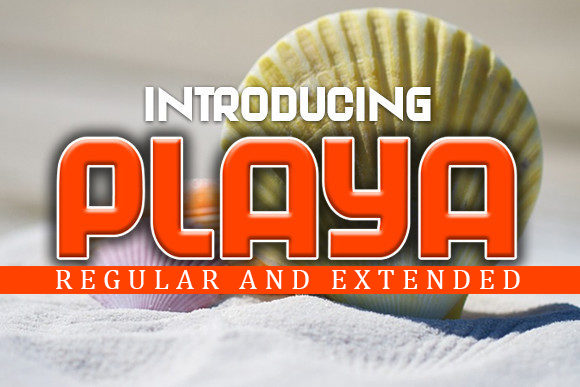
Playa is a modern display font known for its bold presence and organic style. It’s crafted with attention to detail, featuring open letterforms, subtle texture variations, and a hand-drawn feel that gives it warmth and personality. Unlike more rigid sans-serif or serif fonts, Playa feels alive — almost as if it was made by a designer sketching directly onto paper. This unique aesthetic makes it especially popular among creatives who want their designs to feel authentic and expressive.
Why Display Fonts Matter
Display fonts are specifically designed for headlines, logos, and other large-scale typographic applications. They’re not ideal for body text but shine when used to make statements. Playa fits this role perfectly, offering a balance of legibility and creativity even at larger sizes. It's not just about looking good; it's about making your content memorable.
Real-World Use Cases for Playa
- Branding and Logos: For businesses aiming to build a unique identity, Playa is an excellent choice. Its natural curves and distinct character help create logos that feel both professional and approachable. A surf shop might use it to evoke a carefree, beachy vibe, while a boutique coffee brand could use it to highlight artisanal charm.
- Event Posters and Invitations: When you need a font that grabs attention and sets the tone, Playa delivers. Think music festivals, art exhibitions, or community events — all benefit from the expressive nature of this font. It helps designers craft visuals that don’t just inform, but also inspire action.
- Packaging Design: Product packaging often needs to speak volumes at a glance. Playa can add that extra layer of sophistication and creativity, whether it's used for a line of handmade skincare products or a collection of vintage-style vinyl records. It works particularly well when paired with minimalist layouts or earthy color schemes.
- Social Media Graphics: In a world where first impressions happen in milliseconds, using Playa in social media posts can make your content pop. From Instagram stories to Facebook event banners, it helps ensure your message isn’t lost in the scroll. Just keep in mind that some characters may require careful spacing to maintain readability.
- Book Covers and Editorial Design: Independent authors and publishers often look for fonts that reflect the mood of their work. Playa is versatile enough to suit everything from poetry collections to travel memoirs. Its elegant irregularities give a sense of craftsmanship, which can be especially effective for niche or indie titles.
Who Can Benefit from Using Playa?
Playa appeals to a wide range of users across different industries. Here's how various audiences can leverage it:
- Graphic Designers: Playa offers a fresh alternative to traditional display fonts. It allows for creative freedom while maintaining a level of professionalism needed for client work. Many designers appreciate its adaptability in mockups and how it complements both digital and print media.
- Small Business Owners: If you're launching a new business and need branding materials, Playa can help you stand out. It’s especially useful for startups and local shops wanting to convey a personal touch. Imagine a bakery using Playa on their signage — it immediately feels warm and inviting.
- Marketing Professionals: Eye-catching promotional materials are crucial for grabbing attention. Playa can be a powerful asset in campaigns targeting lifestyle brands, wellness products, or creative services. It helps create a visual hierarchy that guides the viewer toward key messages.
- Creative Writers and Poets: Beyond just text, typography plays a role in storytelling. Playa can enhance the emotional tone of written pieces, especially when used in zines, chapbooks, or literary magazines. The font’s texture and rhythm mirror the flow of poetic language or evocative prose.
- Photographers and Artists: For those whose work is image-based, adding Playa to captions, titles, or website headers can elevate the overall presentation. It pairs beautifully with photography and illustration styles that emphasize authenticity and raw emotion.
Practical Examples of Playa in Action
Let’s take a closer look at how Playa has been used effectively in real-world scenarios:
- A boutique clothing store created a seasonal poster with Playa as the headline font. The result? A visually striking piece that felt both trendy and grounded, perfectly aligning with their brand identity.
- An eco-friendly product line used Playa on their labels and packaging. The font's natural feel reinforced their commitment to sustainability and authenticity, resonating strongly with environmentally conscious customers.
- A freelance photographer used Playa in her portfolio site to label each section. The font added a human touch to her clean layout, helping her connect emotionally with potential clients.
Choosing Playa: What to Consider
Before jumping into using Playa, there are a few practical considerations to keep in mind:
- Legibility: While Playa is highly readable at large sizes, its organic style might reduce clarity in smaller formats. Avoid using it for long paragraphs or fine print.
- Contrast and Background: Playa works best against simple backgrounds. Busy or textured backdrops can distract from its elegance. Try using it with solid colors or subtle gradients to let it shine.
- Pairing with Other Fonts: To avoid clashing, pair Playa with more neutral or structured fonts. A classic serif like Georgia or a clean sans-serif like Helvetica can provide a great contrast and balance in multi-font designs.
- License and Usage Rights: Always check the licensing terms before downloading or using Playa for commercial purposes. Some versions may restrict usage in specific contexts like merch or advertising, so it's important to confirm what's allowed.
Strengths and Limitations
Every font has its strengths and limitations, and Playa is no exception. Let’s explore them briefly:
- Strengths:
- Natural, handcrafted appearance
- Highly expressive and emotive
- Works well in a variety of creative fields
- Strong visual impact in headlines and titles
- Limitations:
- Not ideal for long-form text due to its display nature
- May require additional styling for certain design needs
- Can appear too informal for corporate or formal settings
Industries That Love Playa
Although Playa is versatile, certain industries have found it particularly useful:
- Fashion and Lifestyle Brands: These industries thrive on aesthetics and storytelling. Playa supports that narrative by giving a tactile, human quality to the visual elements.
- Food and Beverage: Cafés, restaurants, and food packaging often use Playa to evoke a sense of comfort and familiarity. Its casual yet refined look matches the ambiance many eateries aim to project.
- Travel and Tourism: Brochures, websites, and promotional materials in this sector benefit from Playa’s ability to suggest movement and adventure. It’s perfect for taglines or destination highlights.
- Wellness and Fitness: Brands focused on health, yoga, meditation, or holistic living often use Playa to reinforce a natural and calming vibe. It speaks to the core values of simplicity and mindfulness.
- Art and Culture: Galleries, music venues, and independent artists love how Playa adds a distinctive voice to their work. It’s a favorite for exhibition titles and album artwork.
Design Tips for Working with Playa
To get the most out of Playa, here are a few tips based on actual user experiences:
- Use it sparingly: Don't overuse Playa in every part of your design. Reserve it for headlines or accents to maintain visual balance.
- Experiment with weights: If available, try different weights of Playa (light, regular, bold) to see which best suits your composition. Heavier weights can add drama, while lighter ones offer subtlety.
- Adjust tracking and kerning: Because of its expressive nature, some letters may sit closer together than expected. Tweaking spacing ensures your text remains clear and impactful.
- Try it in motion: For video or animated projects, Playa can be used creatively with transitions or effects. However, always test it for readability during playback.
Where to Find Playa
If you're interested in using Playa, you'll find it available on several reputable font platforms. These include sites like Adobe Fonts, Google Fonts, and private font libraries. Before purchasing or downloading, read through the license agreements to ensure they meet your needs. Some versions may come with extended licenses for web use or app integration.
Many designers also recommend checking out reviews or seeing how others have applied Playa in their projects. Communities like Behance or Dribbble often showcase real-life examples, giving you a better idea of how it performs in diverse contexts.
Final Thoughts on Playa
Ultimately, Playa is more than just a font — it's a tool that helps shape the visual tone of a project. Its strength lies in its ability to blend creativity with functionality, making it suitable for both personal and professional applications. As with any font, the key is to use it thoughtfully, ensuring it enhances rather than detracts from the overall message.
Whether you're crafting a logo, designing a poster, or building a brand from scratch, Playa can be a valuable addition to your toolkit. Its versatility means it can adapt to your vision, not the other way around. So go ahead — experiment, iterate, and let Playa bring your ideas to life with a little extra soul.